Business
21 Machines You Can Import From China to Start a Profitable Home Business

Picture a handheld laser wiping fifty years of rust off a steel part in about ten seconds. Customers pay real money for that kind of work. And you can order the machine that does it from China, have it shipped to your garage, and start taking paying jobs next month.
Here’s what most people don’t realize. Nearly every small machine that turns raw material into cash is manufactured in China. Many American sellers buy those same machines overseas, slap their own logo on them, and resell them at two or three times the price.
So why not skip the middleman?
In this guide, you’ll find 21 machines you can import from China to start a home business. This is not the same recycled list you’ve seen a hundred times. You won’t find cotton candy machines, T-shirt heat presses, 3D printers, or vending machines here.
These are business ideas most people in your town have never thought about. That means less competition and more room to set your own prices.
We’ll start with machines that cost a few hundred dollars. Then we’ll move up to mid-priced machines that can support a full-time income. At the end, you’ll learn the three importing mistakes that cost beginners thousands of dollars.
A Quick Note on Prices
All prices in this article are rough ranges pulled from Chinese supplier sites like Alibaba and Made-in-China. Shipping costs, import duties, and tariffs change often, so always calculate your total landed cost before you place an order.
Low-Cost Machines: Start for Under $1,500
These ten machines are the easiest way to test a business idea without risking your savings. Most can run from a garage, a spare room, or a folding table at a local market.
1. Hydrogel Screen Protector Cutting Machine
This small desktop machine stores a database of thousands of device models. You pick the phone, smartwatch, tablet, or even a car dashboard screen, and it cuts a perfect-fit protector in about a minute.
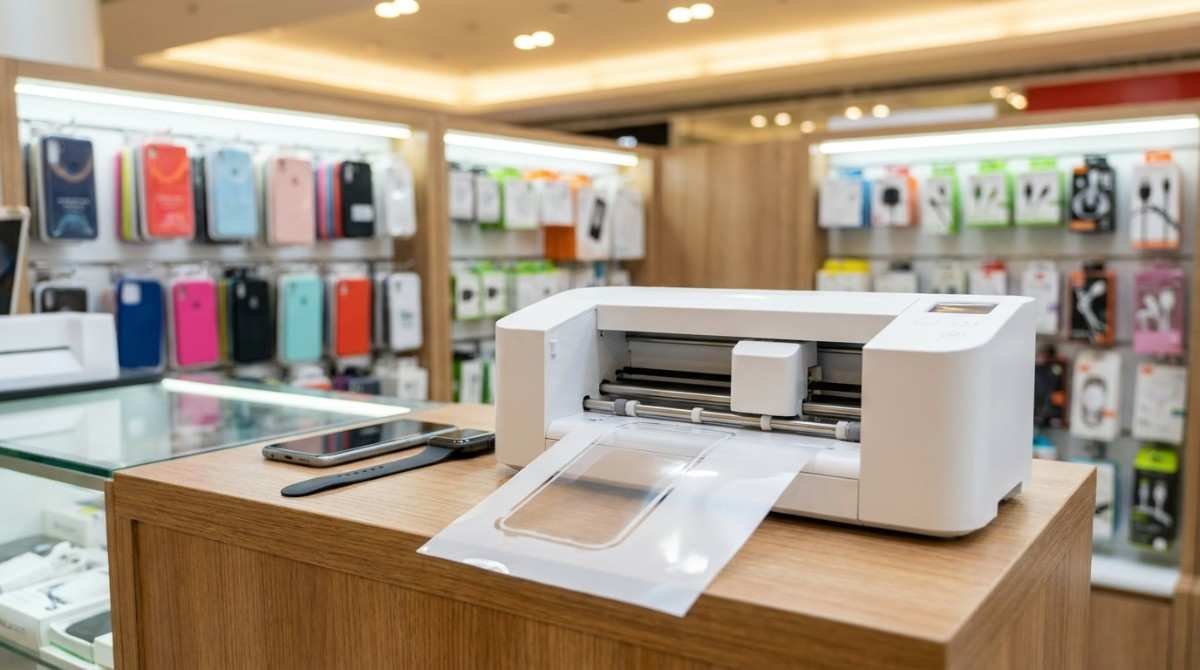
These cutters are common across Asia and Europe, but most Americans have never seen one.
- Startup cost: About $300 to $700. Film sheets cost pennies each.
- What you can charge: $15 to $30 per custom-fit protector.
- Where to sell: Flea markets, mall kiosks, or a table inside a busy barbershop.
Your biggest selling point is simple. You can cover devices that no store stocks protectors for.
2. Boat Shrink-Wrap Heat Gun Kit
Every fall, millions of American boat owners need their boats protected for winter. The professional method is shrink-wrapping, and the main tool is a propane heat gun.
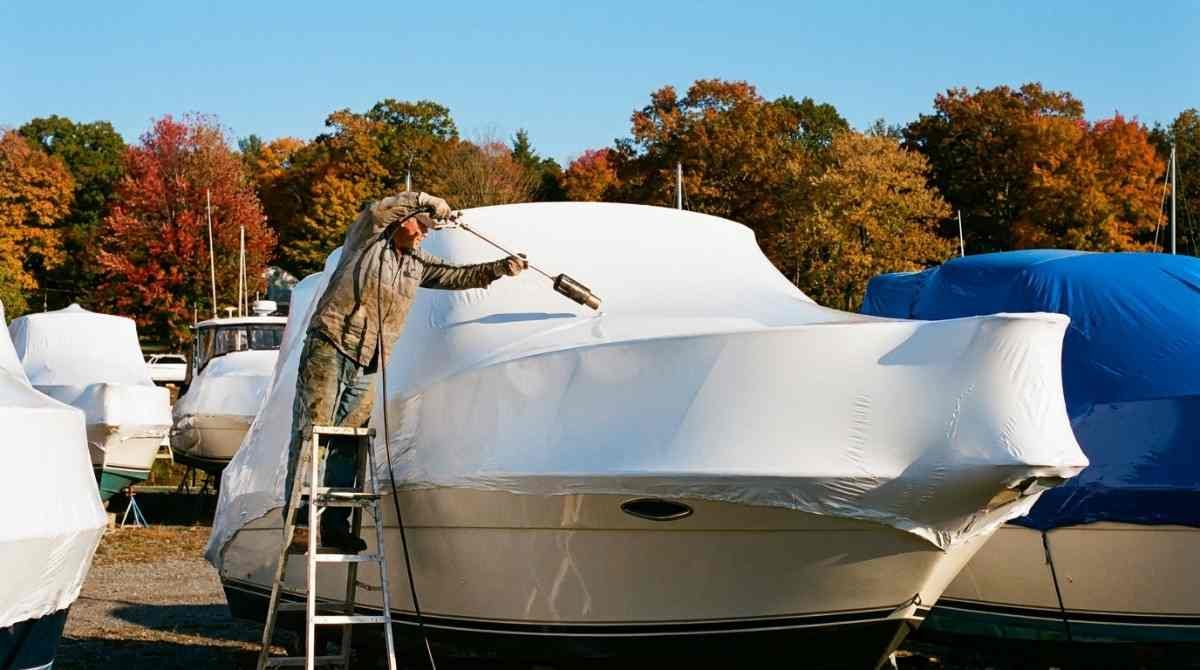
- Startup cost: About $300 to $900 for the heat gun, plus shrink film, strapping, and a ladder.
- What you can charge: A few hundred dollars per boat, depending on size.
- Where to sell: Marinas, storage lots, and RV parks in September and October.
This is a seasonal goldmine. You can also wrap RVs, trailers, and outdoor equipment.
3. Hot Foil Stamping Machine
A foil stamper presses gold, silver, or colored foil onto leather, wood, paper, and fabric. Think personalized wallets, notebooks, wedding napkins, and dog collars.
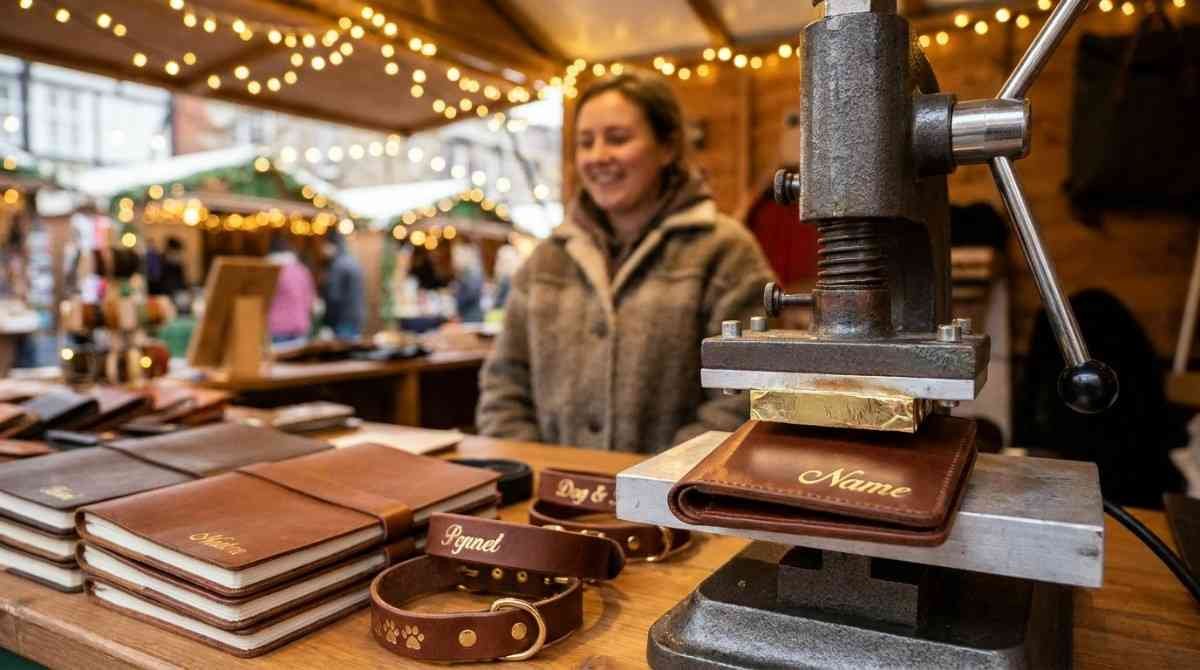
- Startup cost: About $150 to $500 for a manual machine with a letter set. A custom brass logo plate costs a bit more.
- Where to sell: Craft fairs, pop-up markets, and local businesses that want branded leather gifts for clients.
Live personalization is the play here. Watching their name get stamped in gold is the experience people happily pay for.
4. Key Fob and RFID Duplicator
Millions of Americans live in apartments and gated communities that use key fobs. A replacement from the building office can be expensive and take days.
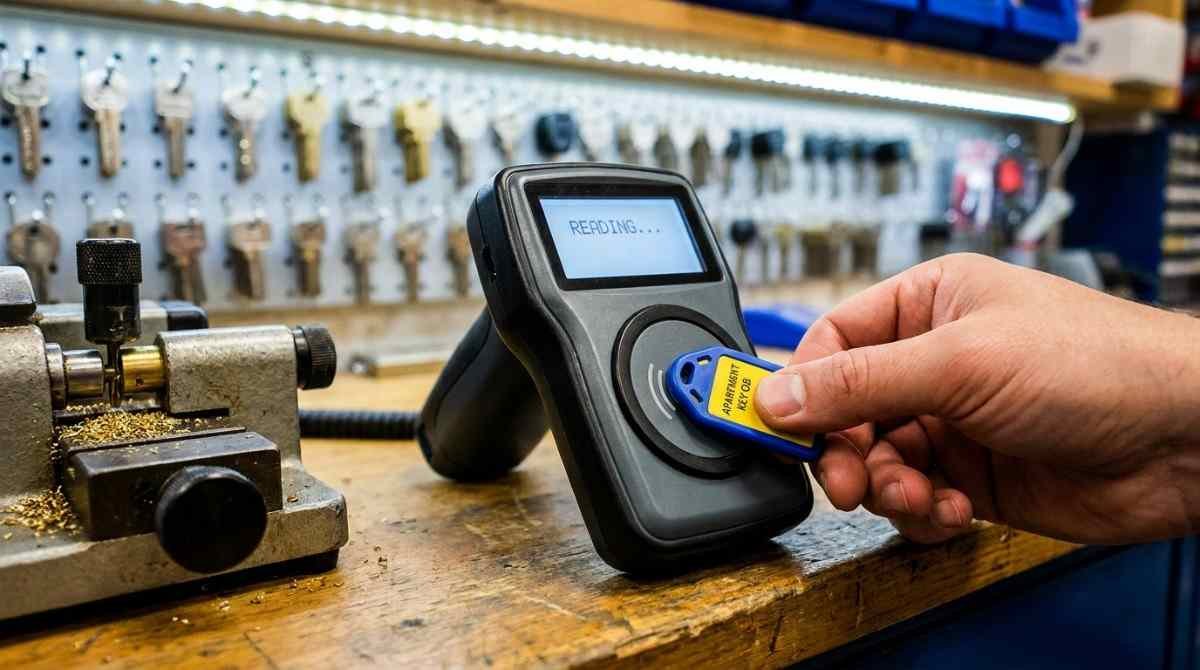
- Startup cost: About $50 to $300 for a handheld RFID duplicator. Add a key cutting machine for around $200 to $600, and you have a mini locksmith counter.
- Where to sell: A small shop counter, a hardware store partnership, or a mobile service inside large apartment complexes.
Important: Only copy fobs and keys the customer owns and is allowed to duplicate. Some systems are encrypted and can’t be copied, so be upfront with customers about that.
5. Professional Knife and Tool Sharpening System
Almost every kitchen in America has dull knives. Restaurants, butchers, barbers, pet groomers, and landscapers all need sharp tools too.
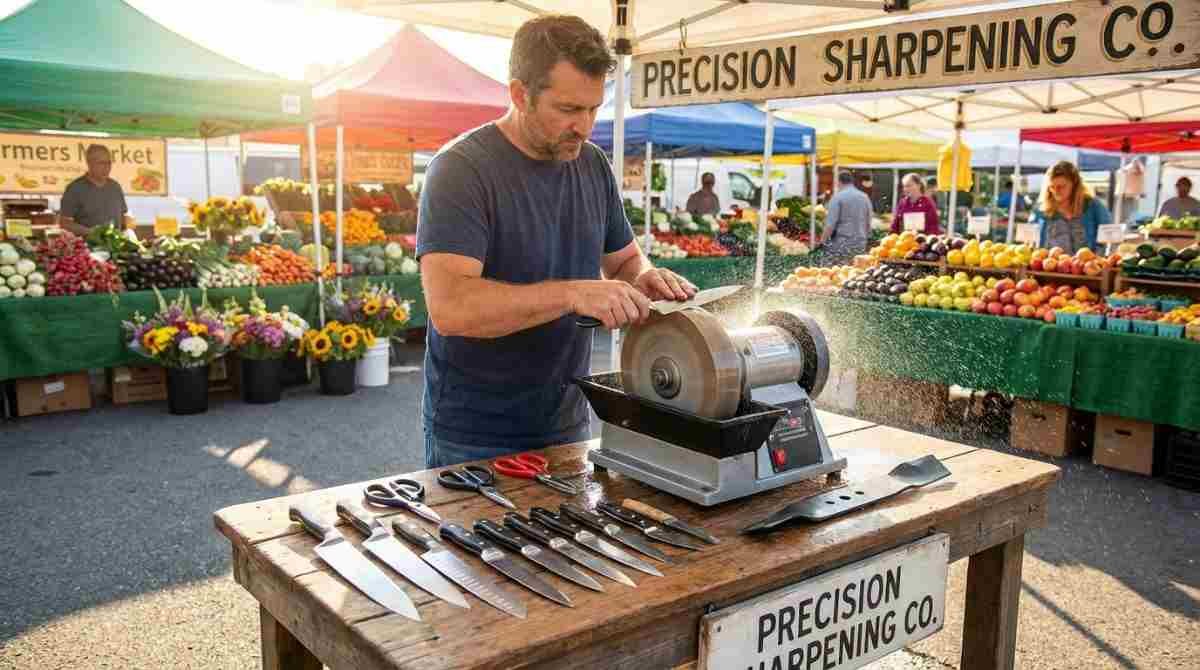
- Startup cost: About $300 to $1,000 for a Chinese wet grinder or belt sharpening system, a fraction of premium American brands.
- What you can charge: A per-blade fee.
- Where to sell: Farmers markets first, then recurring accounts like restaurants that need knives sharpened every couple of weeks.
Add scissors and lawn mower blades, and you have steady repeat business all year long.
6. Cold-Press Oil Machine
This compact machine squeezes oil straight out of seeds and nuts, including pumpkin seed, black seed, walnut, pecan, sunflower, and hemp seed.
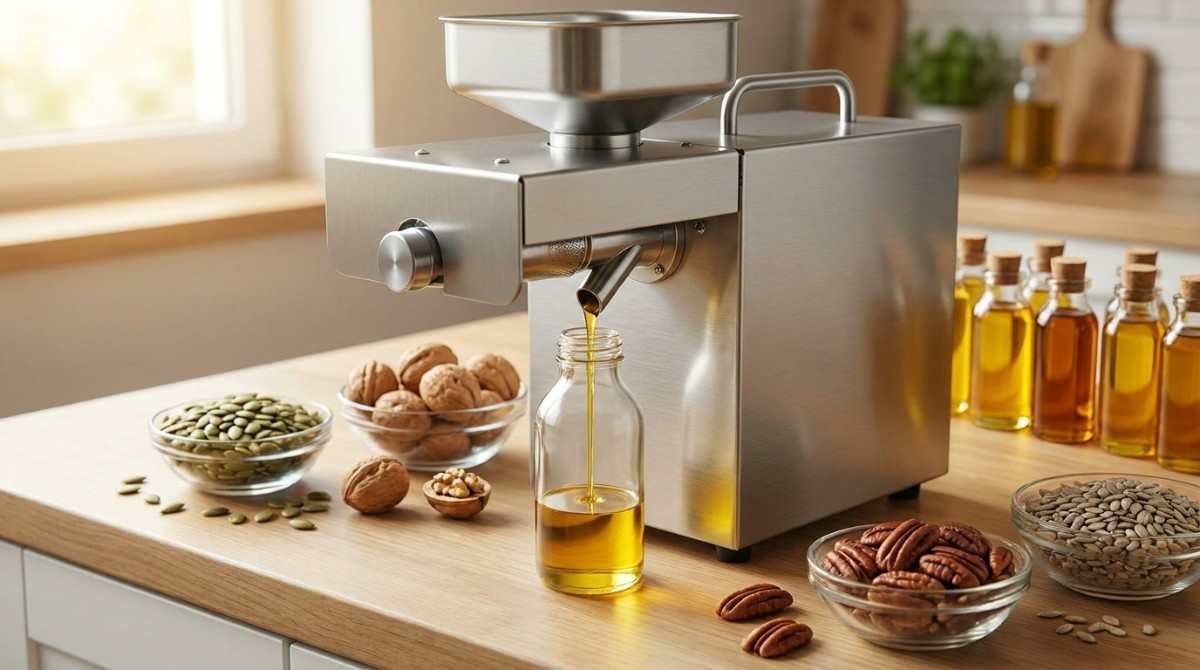
- Startup cost: About $250 to $1,200 for a home-sized unit.
- Who buys: Health-focused shoppers who pay premium prices for small-batch, fresh-pressed oil.
The winning angle is local and fresh. Press oil from nuts grown in your own state and sell it in small glass bottles. Check your state’s food rules first, because many states require a licensed kitchen for oils.
7. Concrete Vibrating Table With Molds
This one is for hands-on people. A vibrating table shakes air bubbles out of wet concrete, so pavers, stepping stones, and planters come out smooth and strong.
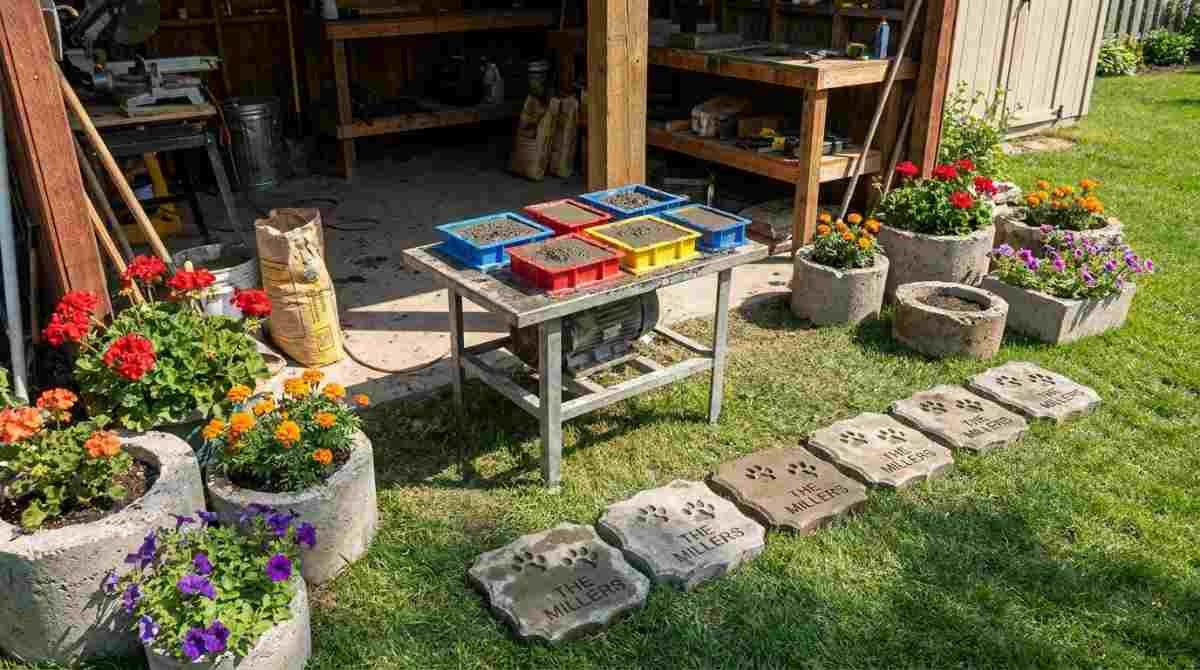
- Startup cost: About $400 to $1,500 for a small table and a set of plastic molds. Cement and sand are dirt cheap.
- Who buys: Homeowners and landscapers.
Sell decorative stepping stones, garden planters, and fire pit blocks. Custom pieces with family names or pet paw prints sell for far more than plain ones.
8. Can Seaming Machine
To-go drinks used to mean a plastic cup. Now coffee shops, juice bars, and breweries are sealing drinks in aluminum cans.
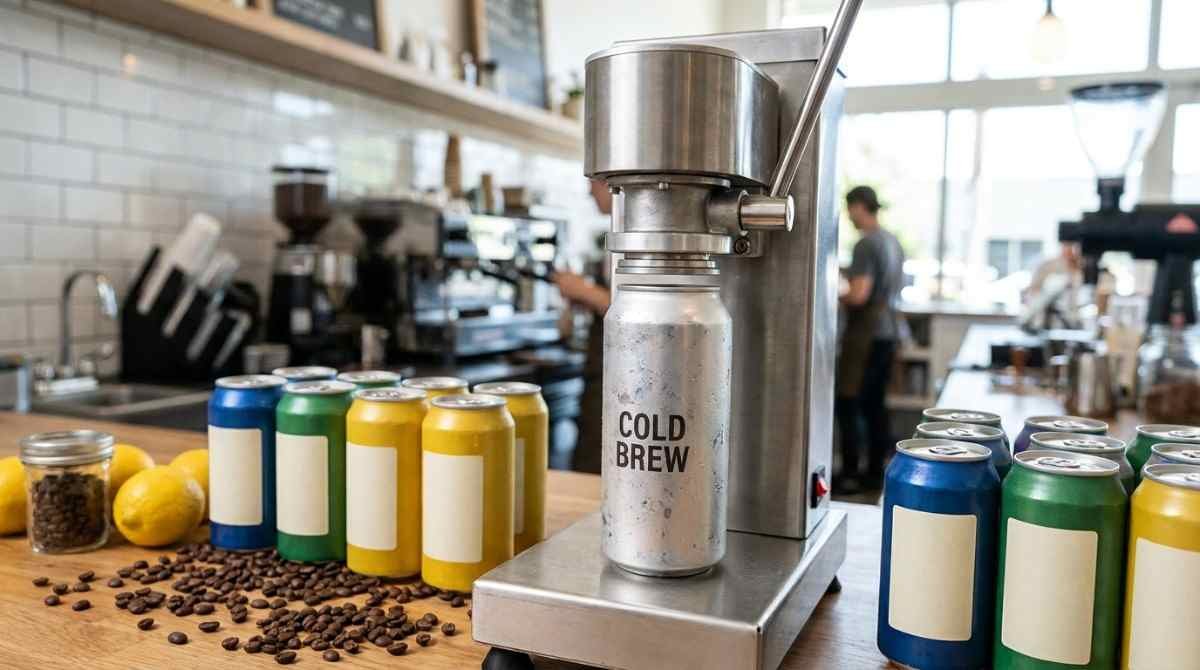
- Startup cost: About $300 to $1,500 for a tabletop can seamer.
- Business options: Offer a canning service to local cafes, or launch your own canned cold brew or lemonade brand.
Because this involves food and drinks, you’ll need to work from a licensed kitchen or partner with one. A canned cold brew from a local brand really stands out on a shelf.
9. Automatic Empanada and Dumpling Maker
Folding empanadas and dumplings by hand takes forever. These machines fold hundreds per hour.
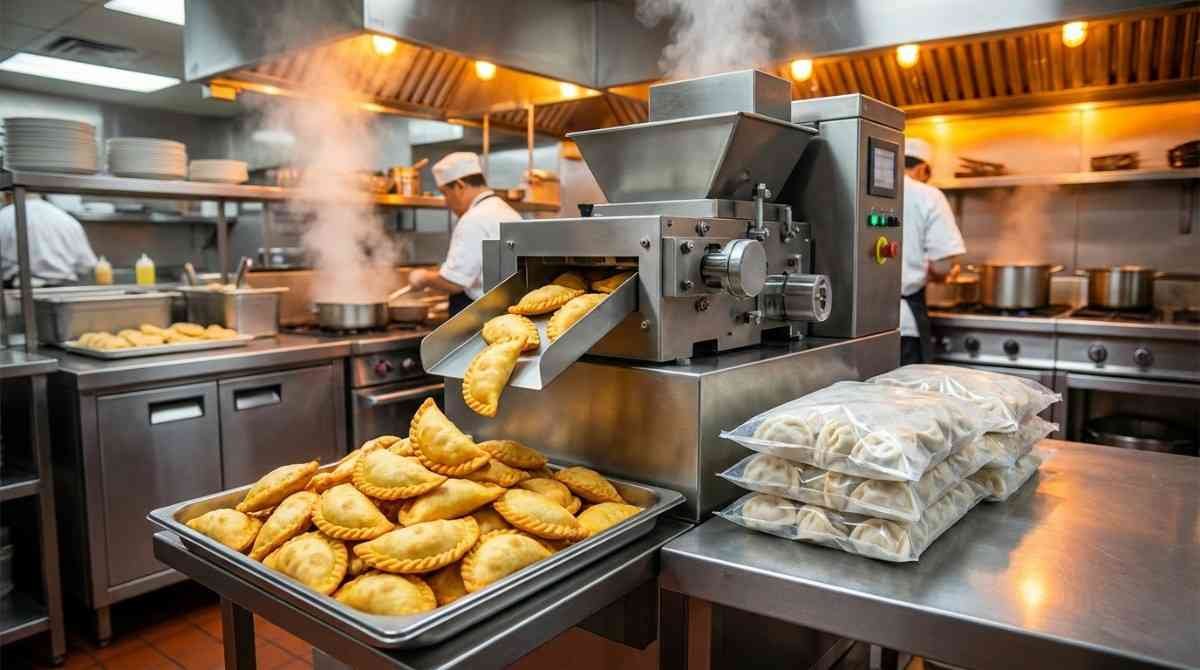
- Startup cost: Countertop models start around $300. Larger semi-automatic units run up to about $1,500.
- Business model: Frozen food. Sell bags of frozen empanadas, pierogies, or dumplings to local stores, cafes, and families.
Frozen food has a long shelf life, so you’re not racing the clock like you would with fresh food. You’ll need a commercial kitchen license.
10. Mini Pellet Mill
A pellet mill presses sawdust into wood pellets, or grain into animal feed pellets.
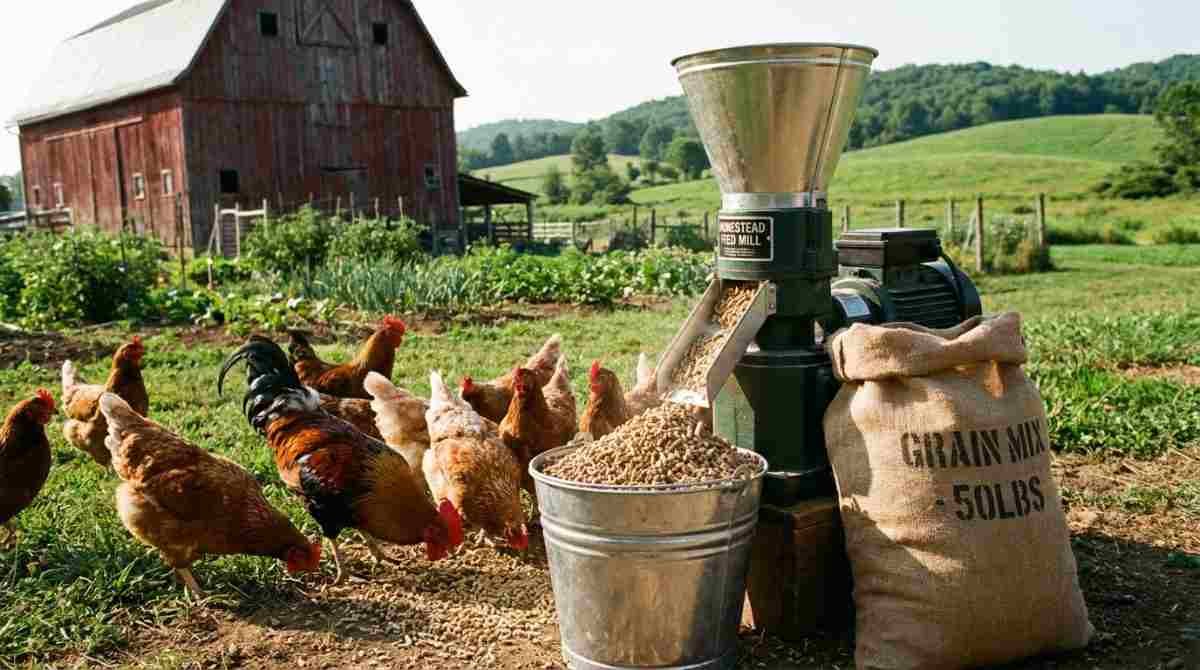
- Startup cost: About $600 to $1,500 for a small electric mill.
- Raw materials: Free sawdust from woodworkers, or inexpensive grain.
The hottest angle is custom feed for backyard chickens, rabbits, goats, and fish ponds. Homesteaders love feed blends without fillers. You can also sell flavored smoker pellets, like apple or cherry wood, to barbecue fans.
Mid-Range Machines: Build a Full-Time Income
The next eleven machines cost more, usually between $1,500 and $10,000. In return, they can support a serious side business or a full-time income.
11. Korean Rice Cake Popping Machine
This machine draws a crowd every single time. You drop in rice or corn, the machine heats and presses it, and with a loud pop, a crunchy, puffy cake shoots out.
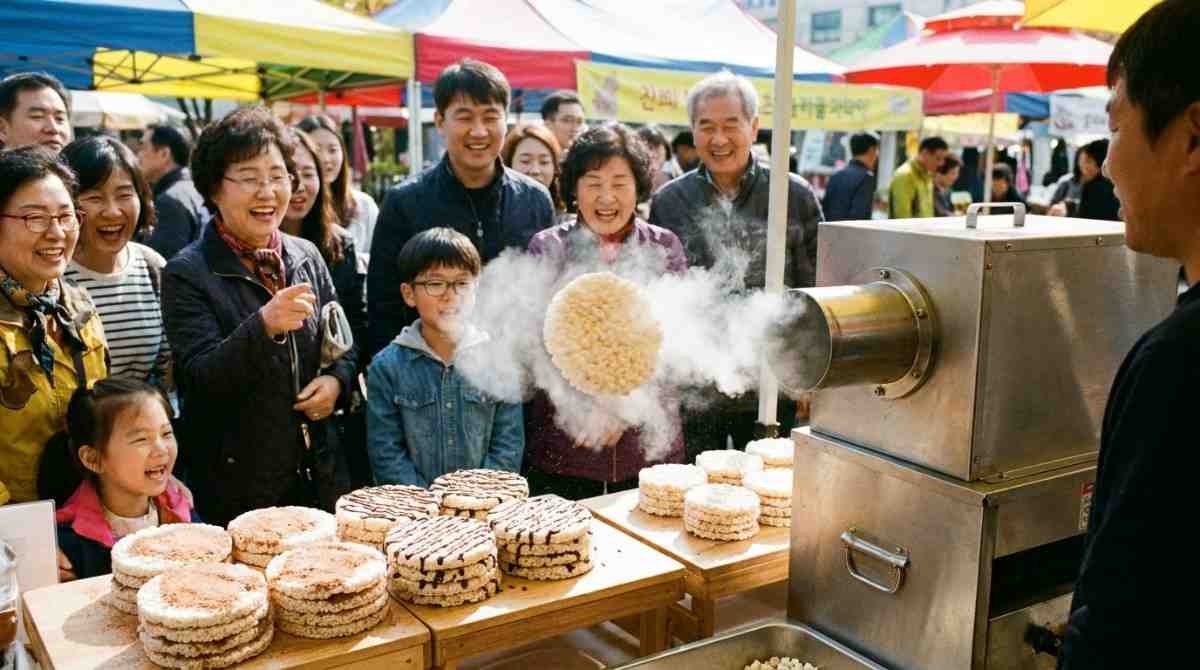
They’re hugely popular in Korea, but most American towns have never seen one.
- Startup cost: About $1,500 to $4,000.
- Where to sell: Farmers markets, county fairs, and school events.
The noise and the show are your marketing. Sell flavors like cinnamon sugar and chocolate drizzle, or pitch them as a gluten-free healthy snack. The ingredients cost almost nothing.
12. Sugarcane Juice Machine
In much of the world, fresh sugarcane juice is a street food staple. In the U.S., it’s still a novelty.
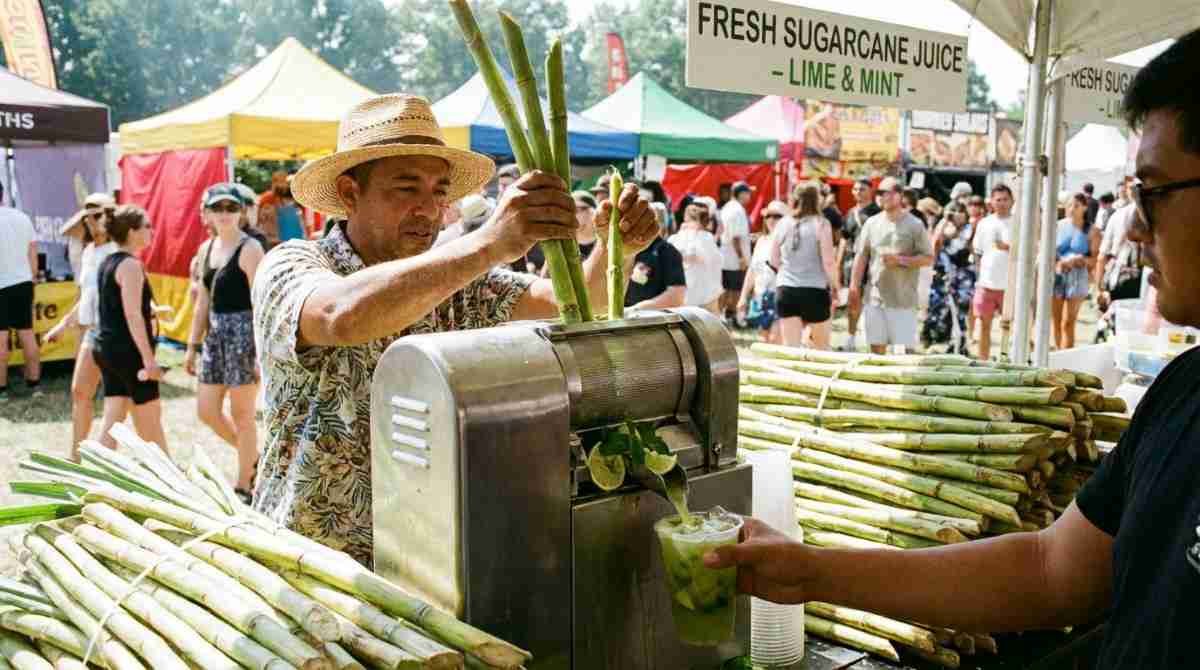
- Startup cost: About $800 to $2,500 for a commercial juicer.
- Where to get cane: Hispanic and Asian grocery suppliers, or growers in Florida, Louisiana, and Texas.
- Where to sell: Summer festivals, beaches, and food truck parks.
Serve it fresh with lime, ginger, or mint. A drink people have never tasted before practically sells itself.
13. Ultrasonic Blind Cleaning Tank
Cleaning window blinds is one of the most hated chores in America. An industrial ultrasonic tank uses sound waves to blast dirt off blinds in minutes, with zero scrubbing.
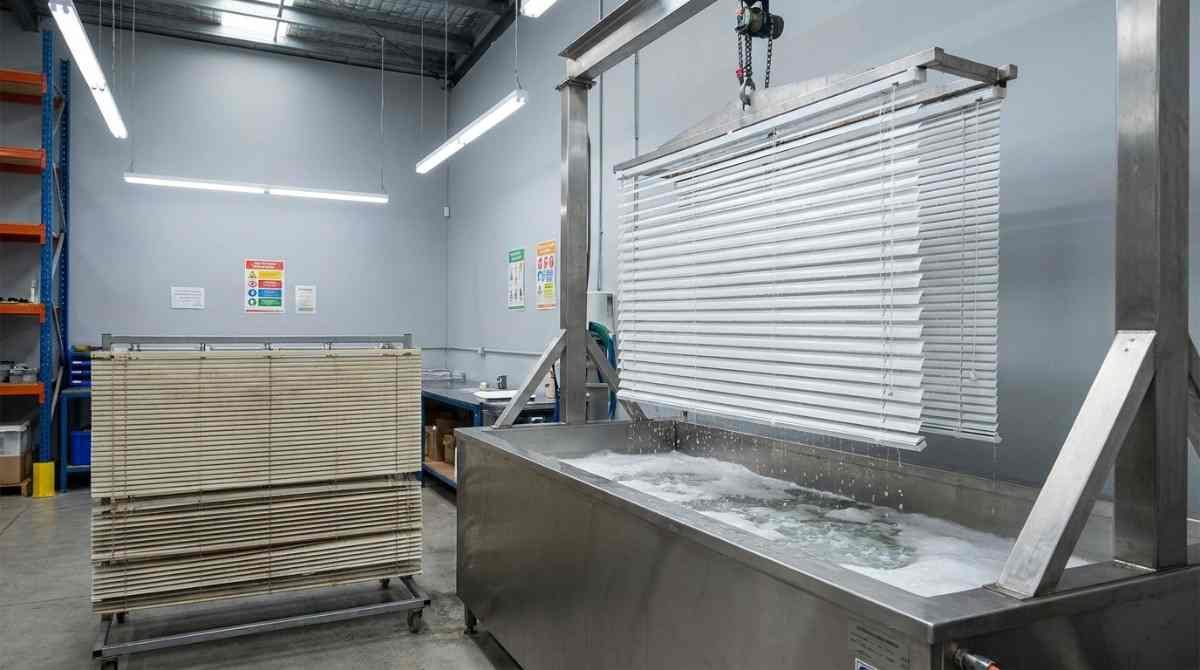
- Startup cost: About $2,000 to $6,000 for a large tank.
- Who buys: Offices, hotels, doctors’ offices, apartment complexes, and property managers.
- What you can charge: A per-blind fee, with pickup and return included.
These clients have hundreds of blinds and nobody to clean them. As a bonus, the same tank cleans air vents, range hood filters, and grill grates.
14. Rug Wringer Centrifuge
Area rug cleaning is a quietly profitable business. The hard part is drying rugs fast, and that’s exactly what a rug centrifuge does. It spins a soaking-wet rug almost dry in minutes.
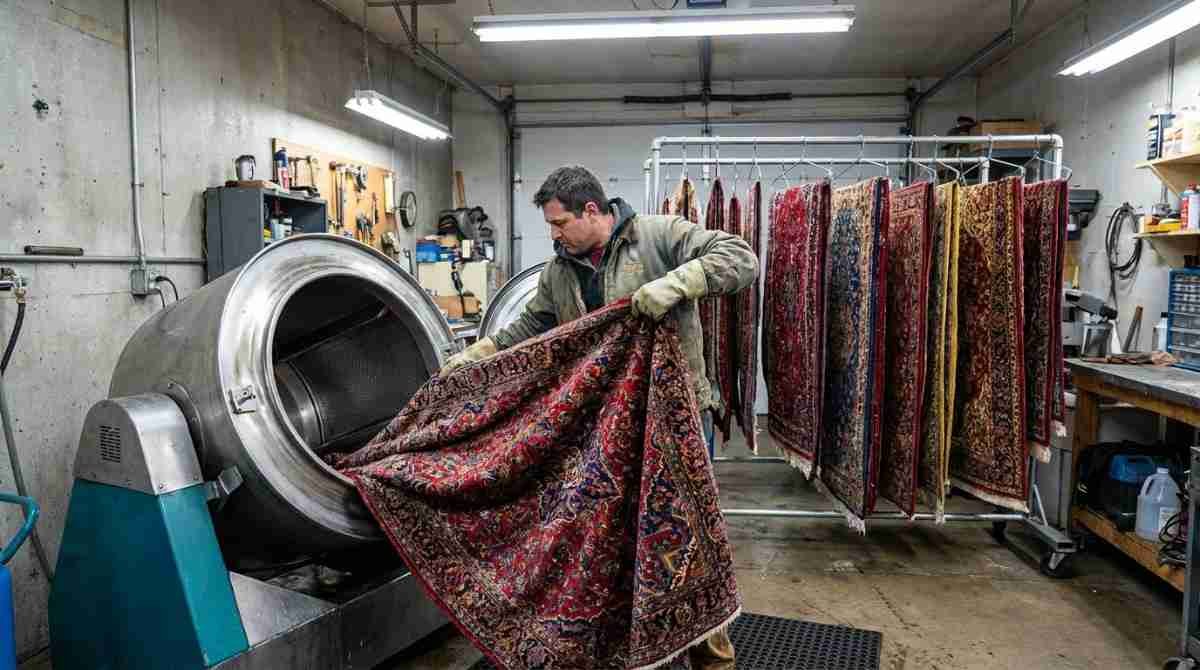
- Startup cost: About $3,000 to $7,000, far cheaper than many American-made options.
- Where to run it: A garage or small warehouse.
- Who to partner with: Interior designers, furniture stores, and carpet cleaners who don’t want to handle area rugs.
Pet stains and Persian rugs are where the real money is.
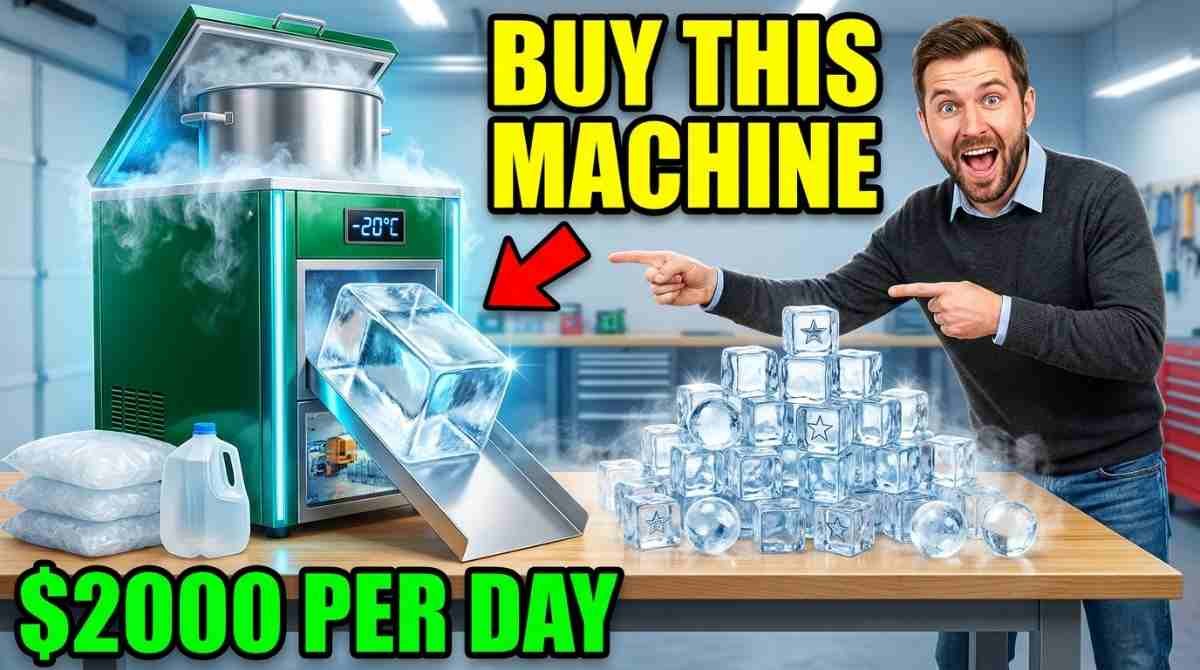
15. Clear Ice Block Maker
Have you noticed craft cocktail bars serving crystal-clear ice cubes and spheres? Most of them don’t make that ice. They buy it.
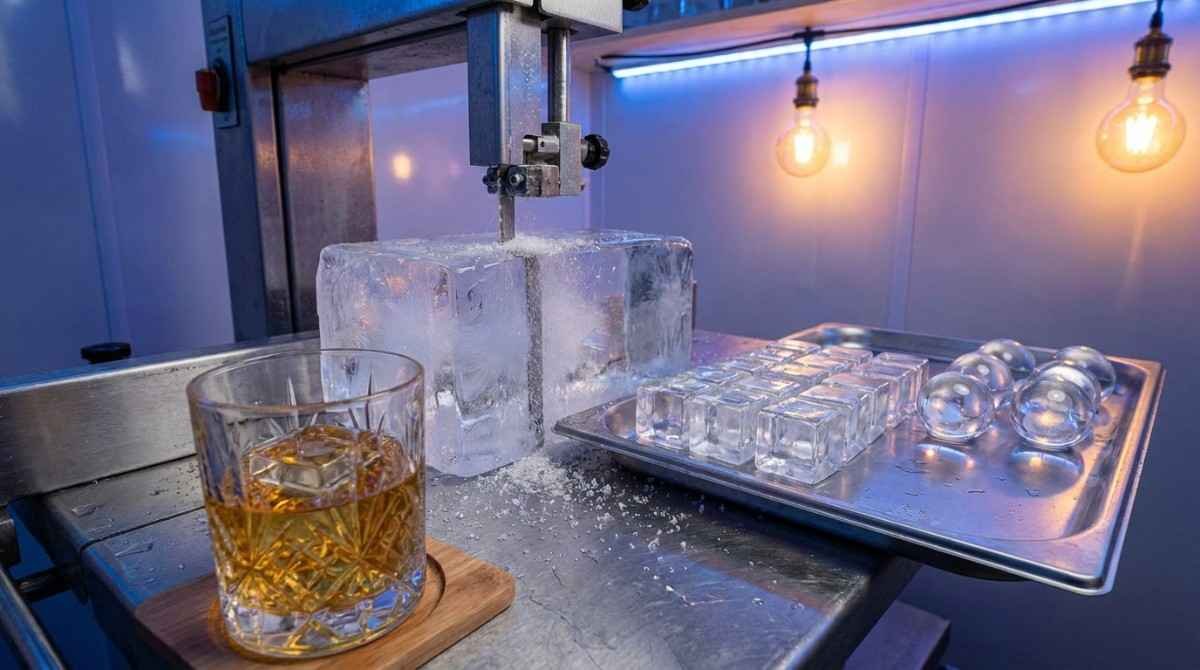
Clear ice machines freeze water slowly in one direction, which pushes the air bubbles out.
- Startup cost: About $2,500 to $8,000, plus a band saw for cutting.
- Who buys: Bars, restaurants, hotels, wedding planners, and home bartenders.
Ice stamped with a bar’s logo is a premium add-on they’ll gladly pay extra for.
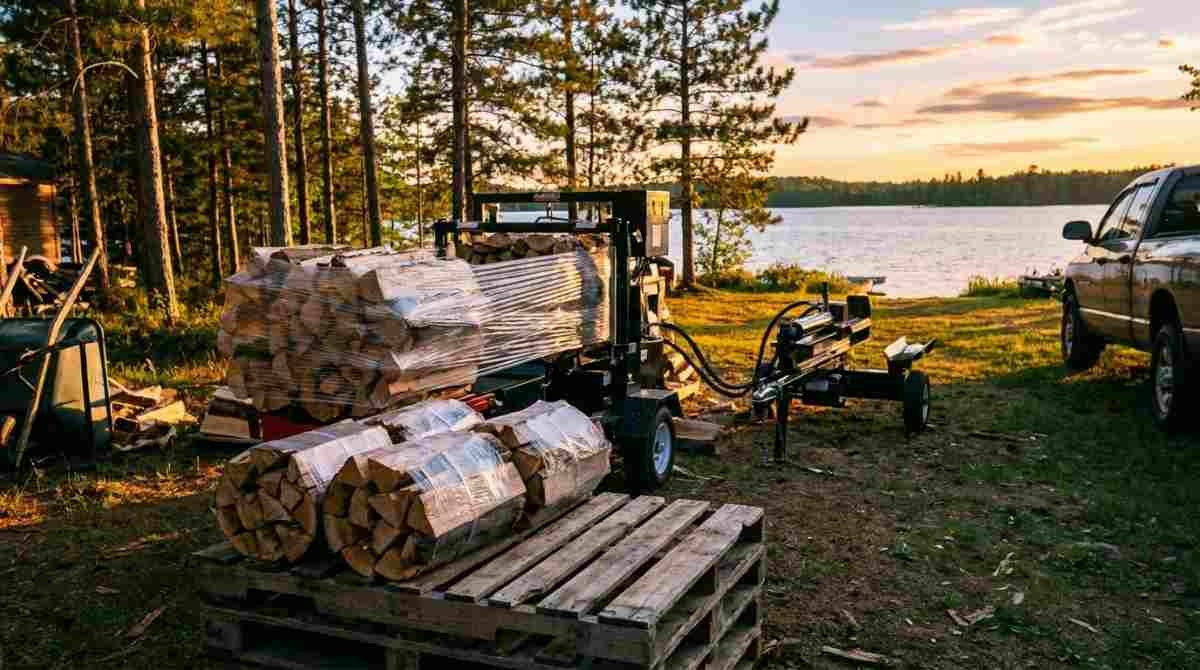
16. Firewood Bundling Machine
Every gas station, campground, and grocery store near a lake sells bundled firewood. Somebody has to supply it, and that somebody could be you.
- Startup cost: About $1,500 to $5,000 for a bundler with a wrapping system. Pair it with a log splitter to produce hundreds of bundles a week.
- Raw materials: Cheap wood from tree service companies that would rather not haul it away.
Learn your state’s firewood rules first. Some states require heat-treated wood to stop the spread of invasive insects.
17. Mobile Tire Changer and Wheel Balancer
People hate waiting at tire shops. Mobile tire service brings the shop to them, and it’s growing fast.
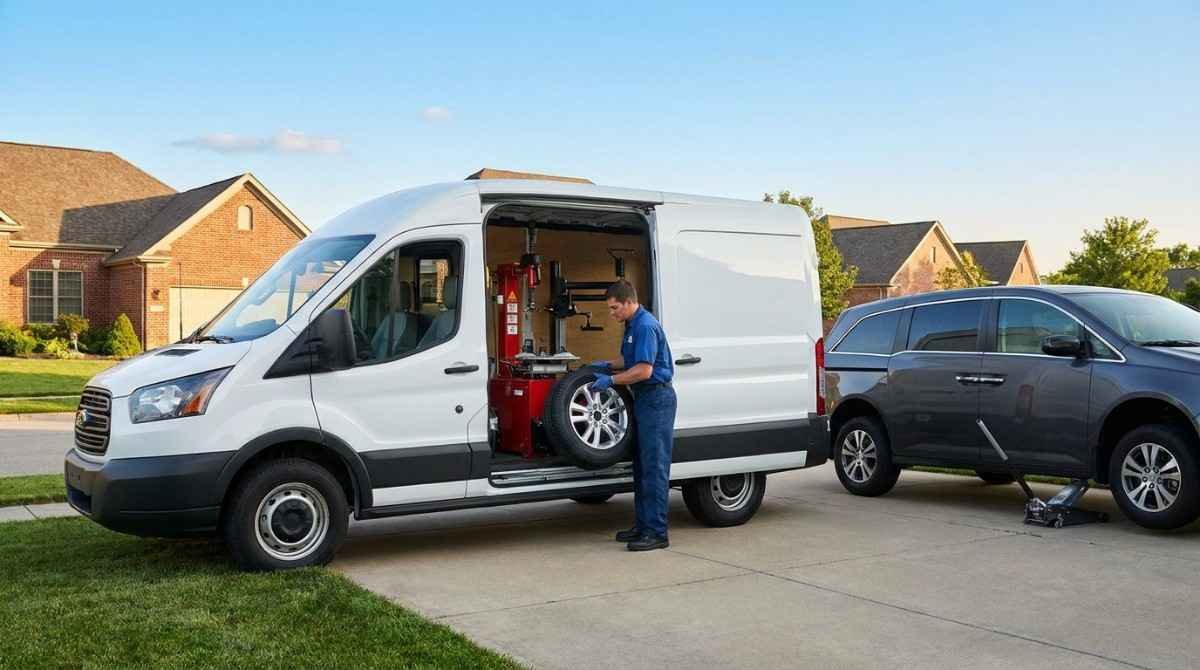
- Startup cost: About $1,500 to $4,000 for a tire changer and wheel balancer. Mount them in a cargo van or trailer with a compressor and a generator.
- Services: Installs for people who buy tires online, seasonal tire swaps, and fleet service for businesses with company vehicles.
Customers pay extra for convenience, and fleet accounts give you steady contracts.
18. Small Drum Coffee Roaster
Coffee is a massive market in America, and people love supporting local roasters.
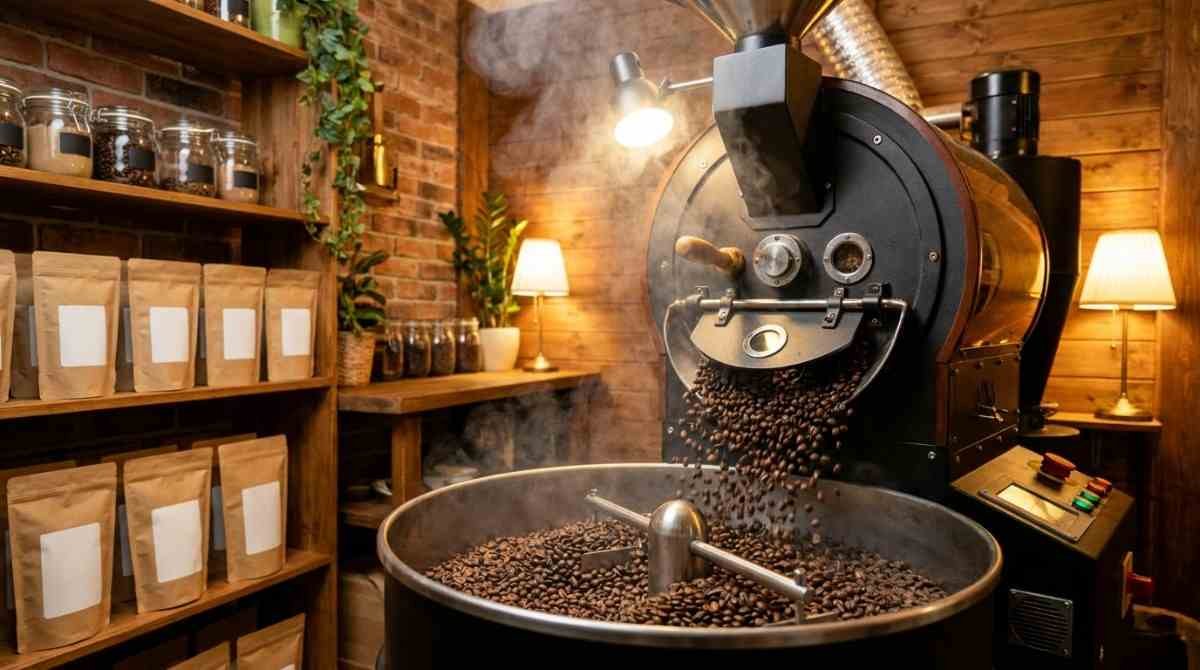
- Startup cost: About $2,000 to $8,000 for a 1 to 3 kilo drum roaster.
- Who buys: Cafes, offices, and online subscription customers.
Your edge is freshness. Roast to order and ship within days. Create your own blends, private-label coffee for local businesses, or sell subscription boxes. Coffee drinkers are some of the most loyal repeat buyers out there.
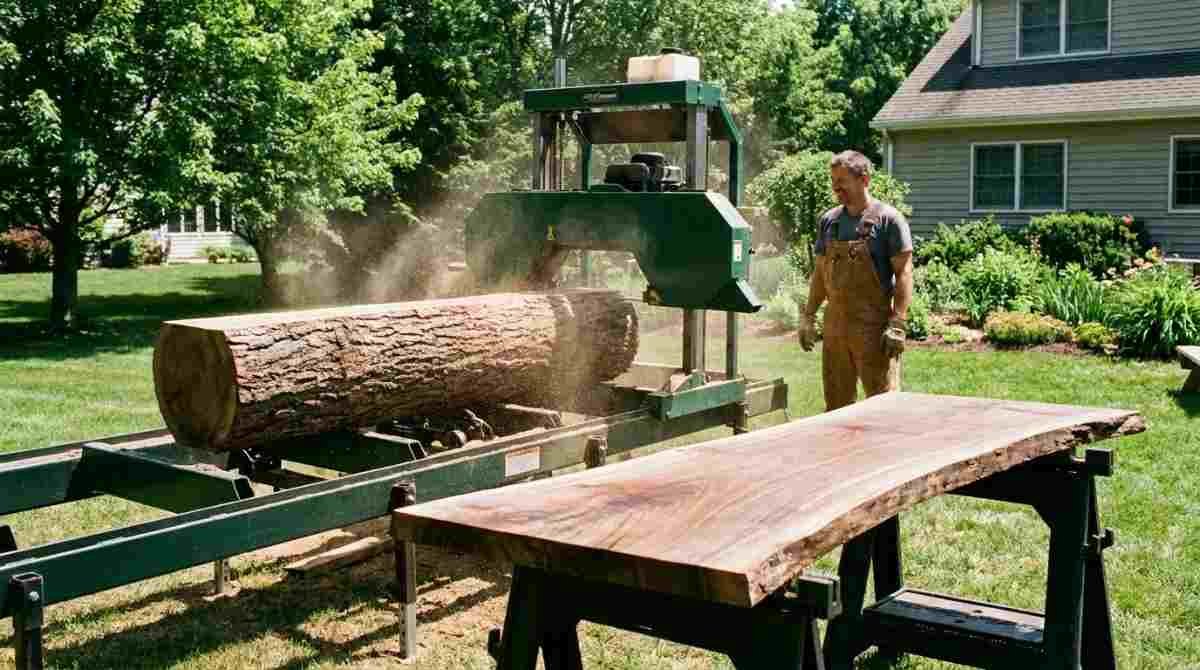
19. Portable Bandsaw Sawmill
When a big tree comes down in someone’s yard, it usually gets chipped or hauled to the dump. That’s valuable wood going to waste.
- Startup cost: About $3,000 to $8,000.
- What it makes: Lumber and striking live-edge slabs.
Charge homeowners to mill their own tree into boards. Or pick up logs for free and sell slabs to furniture makers and DIYers building tables and countertops. A single walnut or oak slab can sell for hundreds of dollars.
20. Cold Plunge Chiller
Cold plunging is one of the biggest wellness trends in America, but premium tubs cost thousands of dollars.
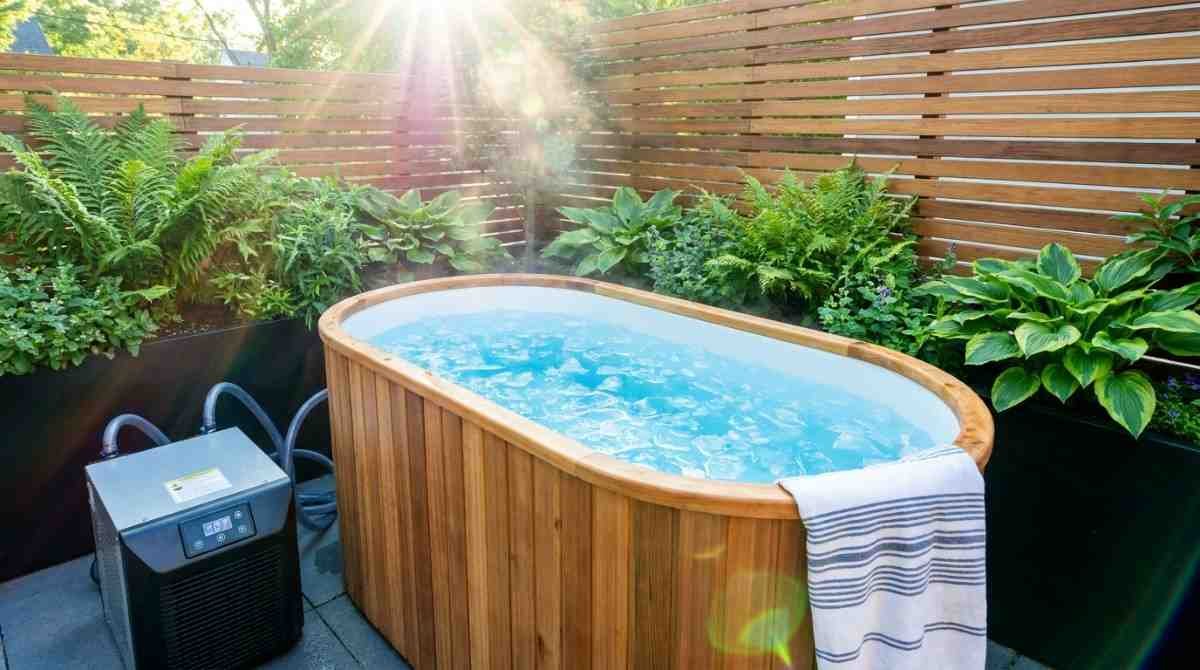
Here’s the secret. The chiller is the expensive part, and you can get one from China for about $800 to $2,500. Pair it with a quality tub and a filter, and you can build and sell your own cold plunge setups.
Other options include renting units to events, gyms, and sports teams, or opening a small recovery studio with cold plunges and saunas.
21. Handheld Fiber Laser Cleaning Machine
This is the machine from the start of the article. It removes rust, paint, grease, and graffiti without chemicals, sandblasting, or much mess.
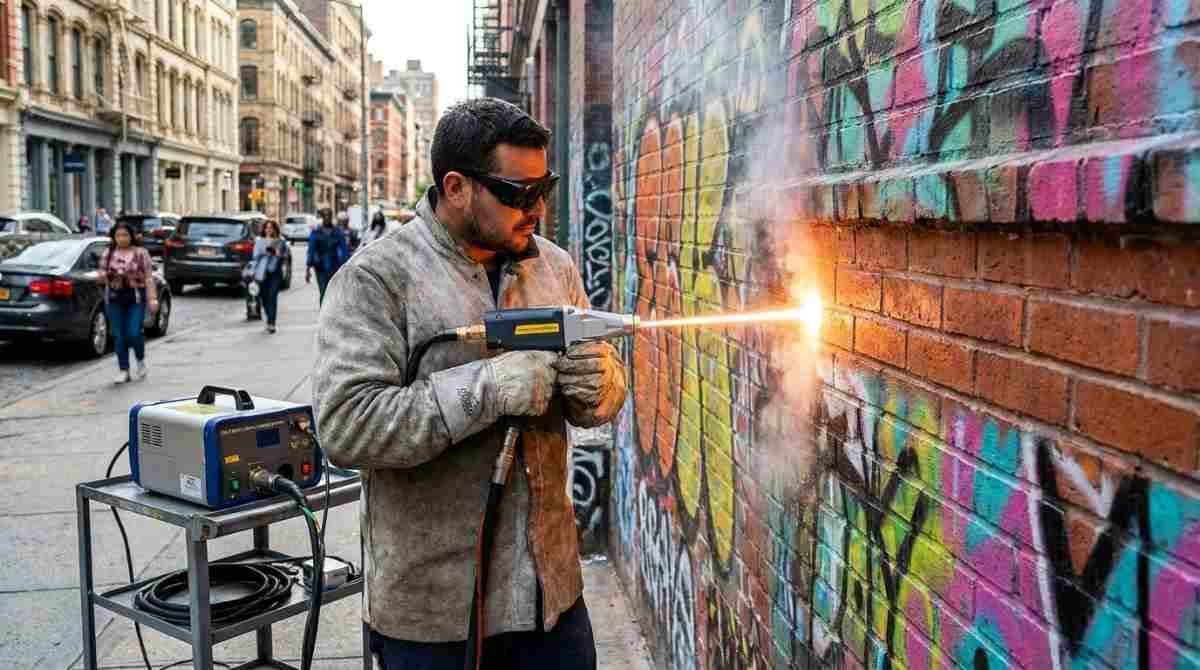
- Startup cost: About $3,000 to $10,000, depending on power.
- Who buys: Classic car restorers, boat owners, machine shops, cities fighting graffiti, and antique restorers.
Record every job. Before-and-after laser cleaning videos go viral on social media and bring in customers for free.
Safety warning: These are powerful lasers. Buy laser safety glasses rated for your specific machine, and follow every safety guideline.
All 21 Machines at a Glance
| # | Machine | Approx. Cost (USD) | Best Customers |
|---|---|---|---|
| 1 | Hydrogel screen protector cutter | $300–$700 | Phone and smartwatch owners |
| 2 | Boat shrink-wrap heat gun kit | $300–$900 | Boat and RV owners, marinas |
| 3 | Hot foil stamping machine | $150–$500 | Craft fair shoppers, local businesses |
| 4 | Key fob and RFID duplicator | $50–$300 (+$200–$600 key cutter) | Apartment and gated community residents |
| 5 | Knife and tool sharpening system | $300–$1,000 | Restaurants, barbers, landscapers |
| 6 | Cold-press oil machine | $250–$1,200 | Health-focused shoppers |
| 7 | Concrete vibrating table with molds | $400–$1,500 | Homeowners, landscapers |
| 8 | Can seaming machine | $300–$1,500 | Cafes, juice bars, breweries |
| 9 | Empanada and dumpling maker | $300–$1,500 | Grocery stores, cafes, families |
| 10 | Mini pellet mill | $600–$1,500 | Homesteaders, barbecue fans |
| 11 | Korean rice cake popping machine | $1,500–$4,000 | Farmers market and fair crowds |
| 12 | Sugarcane juice machine | $800–$2,500 | Festival and beach crowds |
| 13 | Ultrasonic blind cleaning tank | $2,000–$6,000 | Offices, hotels, property managers |
| 14 | Rug wringer centrifuge | $3,000–$7,000 | Designers, furniture stores, carpet cleaners |
| 15 | Clear ice block maker | $2,500–$8,000 | Cocktail bars, hotels, wedding planners |
| 16 | Firewood bundling machine | $1,500–$5,000 | Gas stations, campgrounds, grocers |
| 17 | Mobile tire changer and balancer | $1,500–$4,000 | Online tire buyers, business fleets |
| 18 | Small drum coffee roaster | $2,000–$8,000 | Cafes, offices, subscribers |
| 19 | Portable bandsaw sawmill | $3,000–$8,000 | Homeowners, furniture makers |
| 20 | Cold plunge chiller | $800–$2,500 | Wellness buyers, gyms, sports teams |
| 21 | Handheld fiber laser cleaner | $3,000–$10,000 | Car restorers, machine shops, cities |
3 Importing Mistakes That Cost Beginners Thousands
Before you click “buy” on any of these machines, avoid these three costly mistakes.
Mistake 1: Looking Only at the Machine Price
The price on the supplier’s site is only the starting point. You’ll also pay for shipping, import duties, tariffs, customs broker fees, and delivery from the port to your door.
Tariffs on Chinese goods have shifted a lot in recent years, so always ask for the full delivered cost before you commit. A $1,000 machine can easily turn into $1,800 by the time it reaches your garage.
Mistake 2: Ignoring Voltage and Safety Certifications
Many Chinese machines are built for 220V or 380V power. American homes run on 110V and 220V, and many industrial machines need three-phase power you probably don’t have.
- Ask the supplier for a U.S. voltage version.
- If the machine touches food, confirm the contact parts are food-grade.
- If you’ll use it around customers, look for UL or ETL certification to keep your insurance company happy.
Mistake 3: Trusting the First Supplier You Find
Not every supplier is legit. Protect yourself with these steps:
- Check how long the supplier has been in business.
- Ask for a live video call showing the actual machine running.
- Pay with a protected payment method, never a wire transfer to a stranger.
- For your first order, buy one machine, not ten.
Final Thoughts
That’s 21 machines you can import from China to start a home business, from a $150 foil stamper all the way up to a laser that wipes away rust like magic.
But here’s the truth. The machine doesn’t make you money. Customers do. Pick one machine, find the people in your town who need it, and start small. The best business idea is the one you actually start.
Which of these 21 machines would you start with? Let us know in the comments.
Frequently Asked Questions
Is it legal to import machines from China for a business?
Yes. Individuals and small businesses in the U.S. can legally import machinery from China. You’ll pay any app
Disclaimer: This article is for informational purposes only and is not financial, legal, or tax advice. Machine prices are approximate and based on Chinese supplier listings at the time of writing. Shipping costs, import duties, tariffs, and regulations change often, so verify your total cost and check local licensing, food safety, and electrical requirements before buying. Results vary, and there’s no guarantee any business idea here will be profitable. Always do your own research and consult a qualified professional if needed.


21 Machines You Can Import From China to Start a Profitable Home Business

Hotshot Trucking Insurance: What It Really Costs, What You Actually Need, and How I Help Fellow Operators Stop Paying Too Much

Commercial Auto Insurance Quotes: How I Stopped Guessing and Started Comparing — A Complete Guide for Owner-Operators in 2026

Bobtail Insurance: What It Costs, What It Covers, and Why Skipping It Was Almost the Biggest Mistake of My Trucking Career
