Finance
Hotshot Trucking Insurance: What It Really Costs, What You Actually Need, and How I Help Fellow Operators Stop Paying Too Much

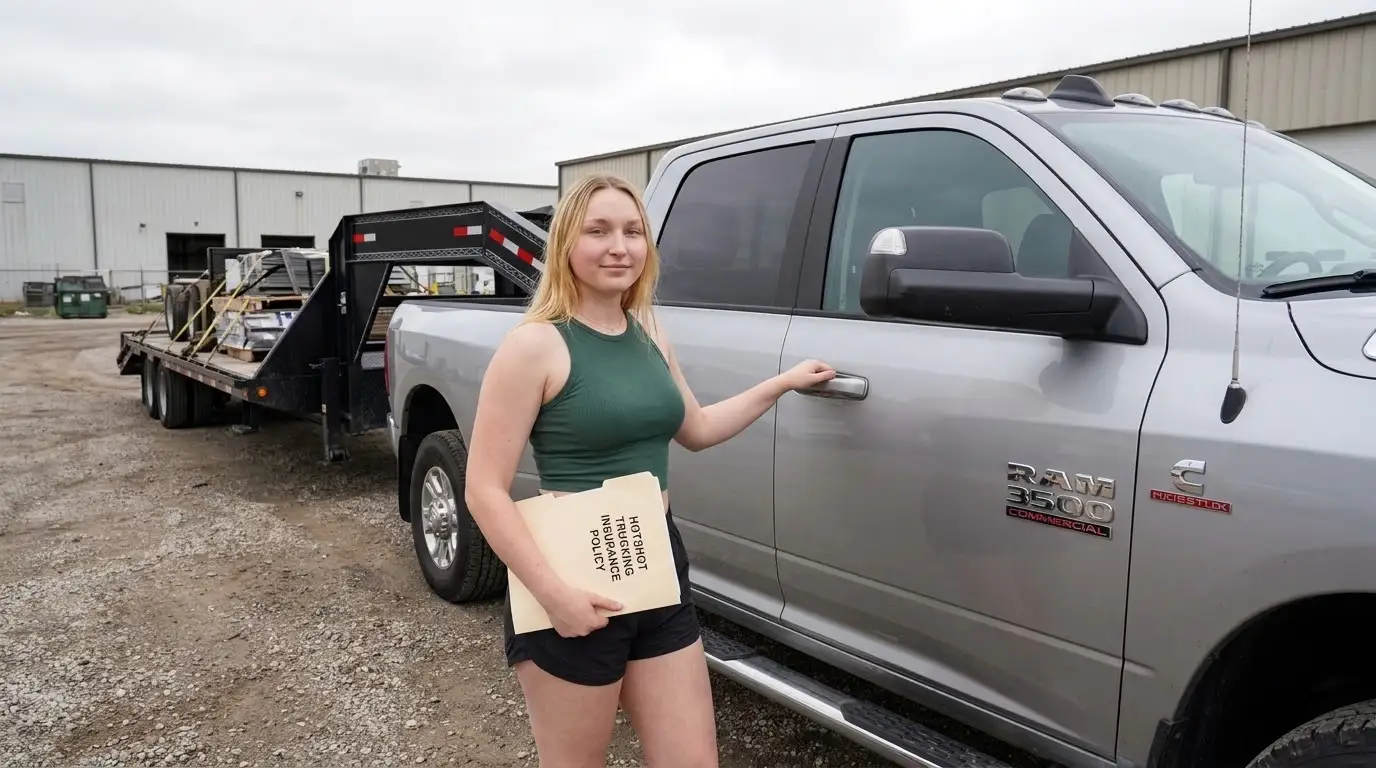
The first time a hotshot operator asked me about hotshot trucking insurance, I was sitting at a truck stop outside Columbus, Ohio, eating a breakfast sandwich and minding my own business.
His name was Derek. He had been running hotshot loads in a Ram 3500 with a gooseneck trailer for about six months. He had found freight, built a few shipper relationships, and was making decent money. But he had been running under his personal auto policy the entire time — because nobody had told him that was a problem, and because the loads kept moving and the money kept coming and the question of insurance had stayed comfortably in the background.
Then he had a minor accident. A fender bender on an access road outside a manufacturing facility. Small damage. No injuries. He filed a claim with his personal auto insurer without thinking twice.
The claim was denied. Every dollar of it. His personal auto policy contained a commercial use exclusion that voided coverage the moment his truck was being used to haul freight for hire.
That conversation changed how I talk about hotshot trucking insurance. Because Derek was not careless or irresponsible. He was just uninformed — the same way I had been uninformed about parts of my own coverage before I started doing the research that eventually became this writing.
This article is everything I know about hotshot trucking insurance — what it is, who needs it, what it costs, how it is structured, and how to make sure you are not Derek when something goes wrong on the road.
What Is Hotshot Trucking and Why Insurance Is Different
Hotshot trucking refers to expedited freight delivery using medium-duty trucks — typically Class 3 through Class 5 pickup trucks like the Ford F-350, Ram 3500, or Chevy Silverado 3500 — pulling flatbed, gooseneck, or dovetail trailers to deliver time-sensitive loads that do not require a full semi-truck.
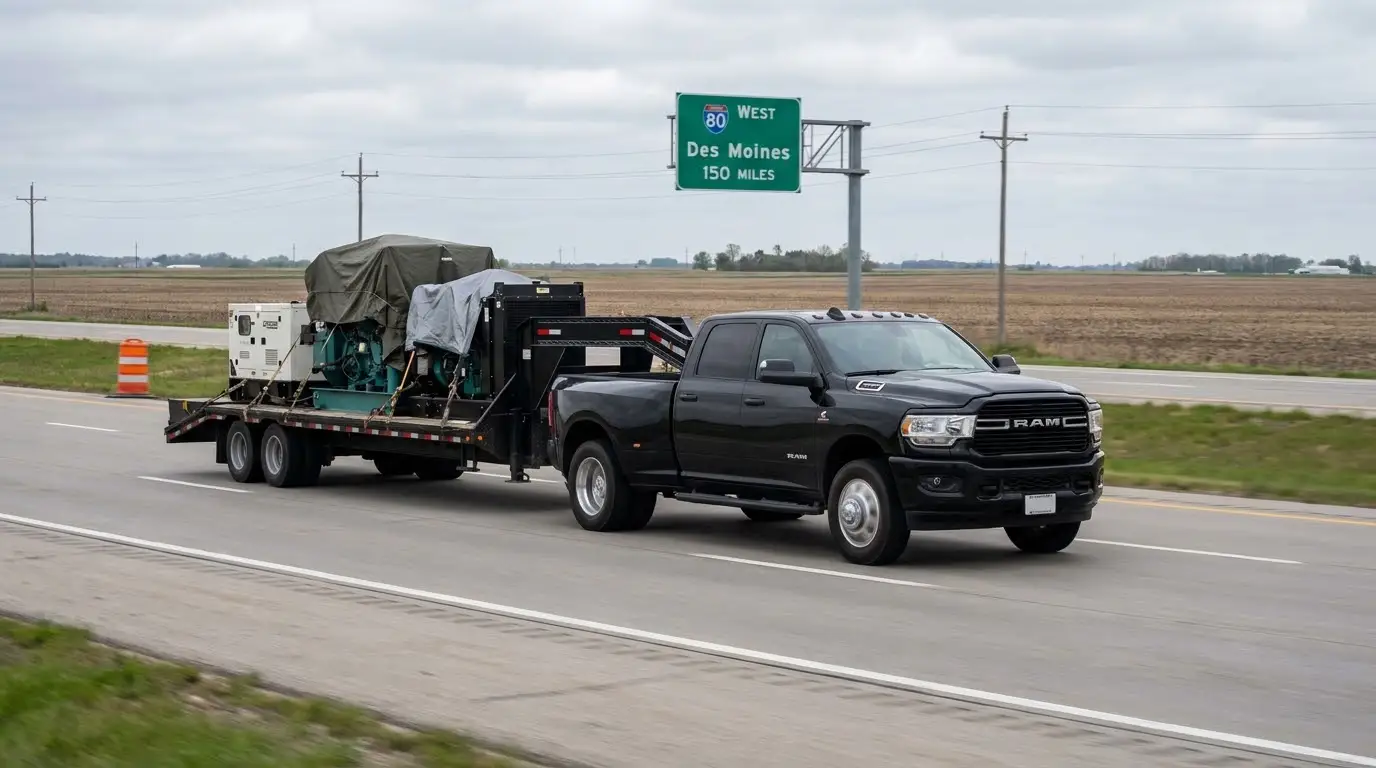
Hotshot operators typically haul smaller, urgent loads — oil field equipment, construction materials, agricultural machinery, oversized parts — on a for-hire basis, often stepping in when a full truckload carrier cannot respond fast enough or when the load volume does not justify a full semi.
The reason hotshot trucking insurance is a distinct product category — rather than simply regular commercial auto insurance applied to a smaller truck — comes down to how the freight, the vehicle class, the regulatory requirements, and the liability exposure combine into a unique risk profile that standard commercial auto policies are not designed to cover completely.
Hotshot operators who haul freight across state lines for compensation are regulated by the Federal Motor Carrier Safety Administration, required to obtain a USDOT number, and in most cases required to obtain operating authority through an MC number. Those regulatory requirements come with minimum insurance mandates that personal auto policies do not satisfy — regardless of how small the truck is or how short the haul.
Hotshot trucking insurance is the coverage package that brings a hotshot operation into full compliance while actually protecting the operator, the truck, the trailer, and the freight.
Who Needs Hotshot Trucking Insurance
If you are hauling freight for compensation using any truck and trailer combination — regardless of truck size or load weight — and you are operating across state lines, you need hotshot trucking insurance. Full stop.
- For-hire hotshot operators with their own authority: Full hotshot trucking insurance package required — primary liability, physical damage on truck and trailer, motor truck cargo, and general liability
- Hotshot operators leased to a carrier: Physical damage, bobtail or non-trucking liability, and cargo coverage at minimum — carrier handles primary liability while under their dispatch
- Part-time hotshot operators: Coverage requirements do not change based on how many loads you run per week. If you haul for hire even occasionally, you need proper hotshot trucking insurance in place before the first load moves
- Intrastate-only hotshot operators: Even if you never cross state lines, most states have their own commercial vehicle insurance requirements for for-hire operations. Check your state’s specific requirements with a commercial broker
The most dangerous assumption in hotshot trucking is that a smaller truck means smaller regulatory requirements. A Ram 3500 pulling a loaded gooseneck trailer hauling oil field equipment across state lines is a federally regulated commercial operation. The FMCSA does not make exceptions based on truck size when the operation is for-hire interstate freight.
The Complete Hotshot Trucking Insurance Package
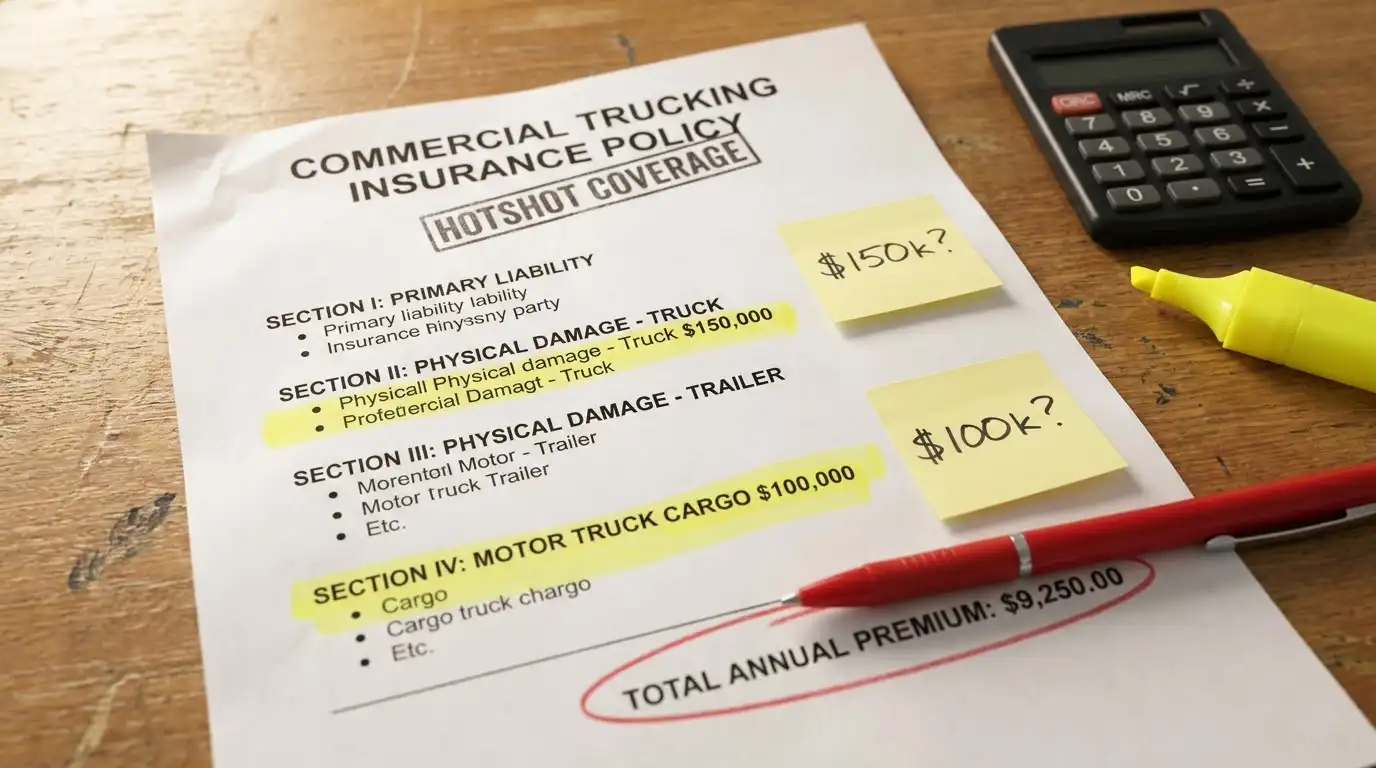
A properly structured hotshot trucking insurance package covers your operation across every significant exposure. Here is what each component does and what it realistically costs in 2025:
| Coverage | What It Covers | Annual Cost Range | Required? |
|---|---|---|---|
| Primary Auto Liability | Bodily injury and property damage to others when you are at fault | $5,000 — $12,000 | Federally required — $750,000 minimum for general freight |
| Physical Damage — Truck | Collision, theft, fire, weather damage to your tow vehicle | $1,200 — $3,500 | Required if financed |
| Physical Damage — Trailer | Collision, theft, fire, weather damage to your trailer | $400 — $1,200 | Required if financed |
| Motor Truck Cargo | Freight you are hauling if damaged, lost, or stolen | $800 — $2,500 | Required by most freight brokers |
| General Liability | Non-driving incidents — loading, unloading, premises | $400 — $1,200 | Required by many shippers |
| Non-Trucking Liability | Personal use of truck when not under dispatch | $300 — $800 | Strongly recommended |
| Uninsured Motorist | Protection when hit by uninsured or underinsured driver | $200 — $600 | Recommended |
Total annual hotshot trucking insurance premiums for a complete package typically run between $8,000 and $18,000 for operators with clean records and reasonable experience. That range is notably lower than the semi-truck insurance packages I cover in my other articles — which reflects the lower vehicle value and slightly different risk profile of hotshot operations — but it is still a significant fixed cost that needs to be factored into your business model before you book your first load.
If you want to understand how these costs compare to semi-truck operations, I break down the full picture in my article on commercial truck insurance which covers the complete coverage landscape for traditional tractor-trailer operations.
What Hotshot Trucking Insurance Actually Costs — Real Numbers by Operator Type
Hotshot trucking insurance premiums vary significantly based on operator experience, truck value, freight type, and operating territory. Here are realistic 2025 market ranges broken down by operator profile:
| Operator Profile | Annual Premium Range | Monthly Estimate | Key Factor |
|---|---|---|---|
| New hotshot operator, under 2 years experience | $12,000 — $18,000 | $1,000 — $1,500 | Experience penalty is significant for new operators |
| Experienced operator, 3+ years, clean record | $7,000 — $12,000 | $583 — $1,000 | Clean MVR delivers meaningful discount |
| Operator hauling oil field equipment | $10,000 — $16,000 | $833 — $1,333 | Specialty freight increases liability exposure |
| Operator with prior at-fault claim | $14,000 — $22,000 | $1,166 — $1,833 | Claims history significantly impacts hotshot rates |
| Part-time hotshot, limited annual mileage | $6,000 — $10,000 | $500 — $833 | Lower mileage reduces exposure, some carriers price favorably |
The experience penalty for new hotshot operators is one of the most significant cost factors in the entire hotshot trucking insurance market. New operators — particularly those who do not have prior CDL experience and are starting from a personal driving record only — are considered high-risk by most commercial insurers and priced accordingly.
This mirrors what I have seen across the broader trucking insurance market. In my article on semi truck insurance cost, I discuss how new CDL holders pay 40 to 70 percent more than experienced drivers for identical coverage — the same dynamic applies to hotshot operators entering the market without a commercial driving history.
The 7 Factors That Determine Your Hotshot Trucking Insurance Premium
Every hotshot trucking insurance quote starts with an underwriter evaluating your specific risk profile. Understanding what they are looking at helps you present your application as favorably as possible.
1. Driving Experience and CDL Status
Hotshot operators do not necessarily need a CDL for all configurations — operators under 26,001 pounds combined vehicle weight can legally operate without a CDL in many states. However, having a CDL can actually work in your favor when shopping hotshot trucking insurance because it signals commercial driving competency to underwriters who are otherwise evaluating you against a personal driving record only.
Operators with CDL experience often receive better hotshot trucking insurance rates than equally experienced operators without one, all else being equal. If you are considering whether to get your CDL for your hotshot operation, the insurance pricing benefit is worth factoring into that decision. My complete breakdown of the CDL process is in my article on CDL license training.
2. Motor Vehicle Record
Your complete driving history — commercial and personal — is reviewed at every application and renewal. Major violations including DUI, reckless driving, and serious speeding convictions can result in declination from standard market carriers and significantly higher rates in the surplus lines market. Even minor violations have meaningful pricing impacts at the hotshot level where the driver pool is evaluated individually rather than across a large fleet.
3. Truck Value and Age
Physical damage coverage on your tow vehicle is priced as a percentage of current market value. A new $65,000 Ram 3500 carries meaningfully higher physical damage premiums than a $28,000 used truck with similar capabilities. Newer trucks with advanced safety features — forward collision warning, automatic emergency braking, trailer sway control — can qualify for safety discounts on liability coverage that partially offset the higher physical damage cost.
4. Trailer Type and Value
Your trailer is insured separately from your truck under physical damage coverage. Gooseneck trailers, flatbeds, and specialized equipment trailers vary significantly in value and replacement cost. Make sure your trailer’s stated value on your policy accurately reflects current replacement cost — undervaluing your trailer to reduce premium creates a gap at claim time that costs more than the premium savings.
5. Freight Type and Average Cargo Value
The type of freight you haul directly affects your hotshot trucking insurance cargo premium and can influence liability rates as well. General cargo and agricultural equipment are priced most favorably. Oil field equipment, high-value machinery, and time-sensitive industrial parts carry higher cargo premiums because the liability exposure in the event of loss or delay is greater. Operators who can clearly define their primary freight type at application often receive more favorable pricing than those who describe their operations vaguely.
6. Operating Radius and Primary States
Regional operators who work primarily within a defined geographic area generally pay less than operators running loads across wide interstate territories. If your hotshot operation is concentrated in specific states or regions, communicate that clearly during the quote process. Operating territory directly affects both liability exposure and the regulatory complexity that underwriters account for in pricing.
7. Prior Hotshot Insurance History
Operators who are coming off a prior hotshot trucking insurance policy with a clean claims history are in a significantly stronger position than operators purchasing their first commercial policy. That prior coverage history — documented through loss runs — tells underwriters a story about your operation that no other document can provide. If you are a first-time buyer, expect to pay the new operator premium until your own loss run history builds up over time.
Hotshot Trucking Insurance vs Regular Commercial Auto Insurance
This is a question I hear regularly, and it is worth addressing directly because the distinction matters for making sure you have the right coverage for your specific operation.
Standard commercial auto insurance policies are designed primarily for light commercial vehicles — delivery vans, service trucks, sales vehicles — that are not engaged in for-hire freight transportation. They typically do not include the cargo liability coverage, the trailer-specific physical damage provisions, or the motor carrier compliance endorsements that a for-hire hotshot operation requires.
Hotshot trucking insurance is a specialized product that combines commercial auto liability, for-hire freight cargo coverage, and motor carrier compliance into a package specifically designed for operators hauling freight for compensation. The key differences include:
- Cargo coverage is built in: Standard commercial auto does not cover the freight. Hotshot trucking insurance includes motor truck cargo as a standard component.
- Motor carrier compliance: Hotshot trucking insurance is structured to satisfy FMCSA filing requirements including Form MCS-90 endorsements required for interstate for-hire carriers.
- Trailer coverage: Hotshot trucking insurance specifically addresses the trailer as a separately scheduled piece of equipment — standard commercial auto often does not.
- For-hire operation coverage: Standard commercial auto policies almost universally exclude coverage for for-hire freight operations. Hotshot trucking insurance is specifically written to cover exactly that activity.
The broader commercial auto insurance market and how to compare quotes effectively across product types is something I cover in depth in my article on commercial auto insurance quotes — worth reading before you start shopping your hotshot coverage.
The FMCSA Requirements Every Hotshot Operator Must Know
Federal compliance is not optional for hotshot operators hauling interstate freight for compensation. Here is what the FMCSA requires and how hotshot trucking insurance satisfies those requirements.
Any hotshot operator with a combined vehicle weight rating over 10,001 pounds operating in interstate commerce for compensation must register with the FMCSA and obtain a USDOT number. Operators hauling for-hire freight must also obtain operating authority — an MC number — before accepting loads from freight brokers or shippers.

The minimum primary liability insurance requirement for for-hire carriers hauling general freight in interstate commerce is $750,000. Most freight brokers require carriers to show $1,000,000 in primary liability as a contractual condition of receiving loads — operators carrying only the federal minimum will find themselves locked out of significant portions of the freight market.
Your hotshot trucking insurance carrier is required to file proof of your coverage directly with the FMCSA through a Form BMC-91 or BMC-91X filing. This filing is what activates your operating authority — without it, your MC number is approved but not operational. Make sure your broker confirms this filing has been completed and is active before you dispatch your first load.
Common Hotshot Trucking Insurance Mistakes That Cost Operators Money
Three years of writing about trucking insurance and talking with operators across the Midwest has shown me the same mistakes made repeatedly. Every one of them is avoidable.
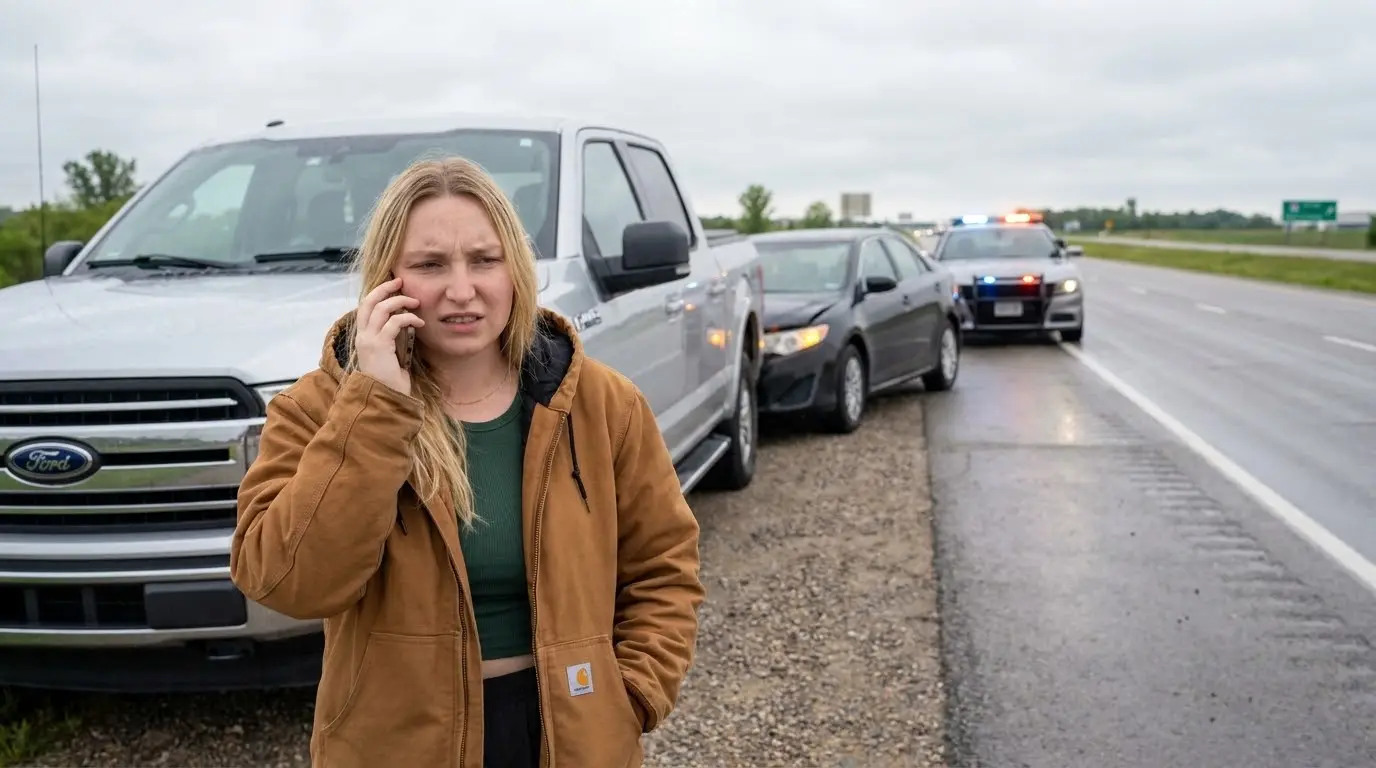
- Running under a personal auto policy. Like Derek at the truck stop, this is the most expensive mistake a hotshot operator can make. Personal auto policies exclude commercial for-hire operations. Any claim during a commercial operation will be denied. Full stop.
- Undervaluing cargo coverage limits. If you haul a $45,000 piece of oil field equipment on a cargo policy with a $25,000 limit, you are personally responsible for the $20,000 gap in the event of a total loss. Set your cargo limit based on the maximum value of freight you could realistically haul, not the average.
- Not insuring the trailer separately. Many new hotshot operators focus on their truck and assume the trailer is automatically covered. It is not — at least not adequately — under most commercial auto policies without a specific trailer physical damage endorsement.
- Shopping on total premium alone. A hotshot trucking insurance quote that is $2,000 cheaper than all others deserves careful scrutiny, not immediate acceptance. The savings are usually found in coverage limits, missing lines, or broad exclusions. I cover the right way to compare quotes in my article on trucking insurance quotes.
- Not updating coverage when operations change. Adding a second trailer, changing freight types, expanding operating territory, or adding a driver all require updates to your hotshot trucking insurance policy. Operating outside your policy’s described parameters at the time of a claim can result in denial.
- Skipping non-trucking liability coverage. When you are driving your truck for personal purposes — fuel, maintenance, personal errands — you are in a coverage gap if you only have primary commercial liability. Non-trucking liability fills that gap inexpensively. I explain this in detail in my article on bobtail insurance, which covers the same gap concept for semi-truck operators.
How to Save Money on Hotshot Trucking Insurance Without Cutting Coverage
Cost management in hotshot trucking insurance is an ongoing responsibility, not a one-time negotiation. Here is what actually moves the premium needle:
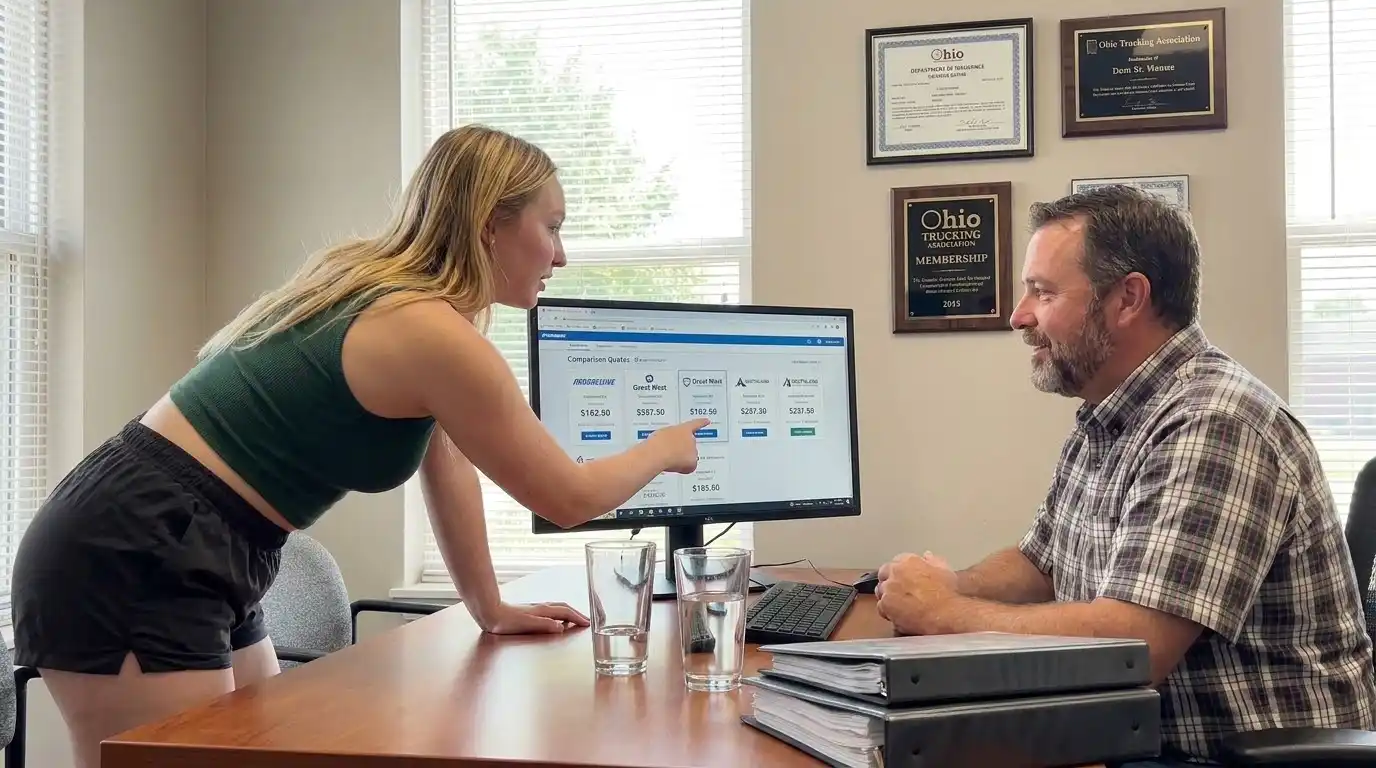
- Work exclusively with independent brokers who specialize in trucking. General commercial insurance brokers often lack the carrier relationships and product knowledge to find the best hotshot trucking insurance pricing. An independent broker with dedicated trucking market access can submit your application to multiple specialty carriers simultaneously. The same principle applies whether you are shopping hotshot coverage or owner operator insurance — the broker relationship is one of the most valuable assets in your insurance management.
- Install dashcams on your truck immediately. A forward-facing dashcam protects you in disputed liability situations, supports favorable claims outcomes, and qualifies for documented discounts with several carriers. Some carriers offer premium reductions for operators with verified dashcam programs in place.
- Pay annually rather than monthly. Monthly installment financing on hotshot trucking insurance premiums adds 10 to 15 percent in financing fees to your total annual cost. On an $11,000 annual premium, that is $1,100 to $1,650 in avoidable expense annually.
- Re-shop every single renewal. Your current carrier’s renewal quote is never automatically the best available rate. Shop your hotshot trucking insurance coverage with at least three to five carriers at every renewal cycle. The market changes, your risk profile changes, and the spread between carriers on identical coverage can be thousands of dollars annually.
- Keep a clean MVR as a deliberate business priority. Every violation on your Motor Vehicle Record increases your hotshot trucking insurance premium. For an owner-operator whose personal driving record is also their commercial record, protecting that record is one of the highest-value financial habits you can build.
- Adjust physical damage limits as your equipment depreciates. As your truck and trailer age and depreciate, your physical damage coverage limits should be adjusted to reflect current market value. Carrying $65,000 in truck coverage on a vehicle currently worth $38,000 means paying premiums on coverage you cannot collect at claim time.
Questions to Ask Your Broker Before Binding Hotshot Trucking Insurance
The quality of your broker relationship directly determines the quality of your hotshot trucking insurance coverage. Before binding any policy, get clear answers to these questions:
- Does this policy include the MCS-90 endorsement and BMC-91 filing required for my operating authority?
- What specific freight types are excluded under the cargo coverage on this policy?
- How is my trailer covered, and what is the stated value used for physical damage claims?
- What is the A.M. Best financial strength rating of the recommended carrier?
- How many carriers did you submit my application to, and which ones declined and why?
- What discounts am I currently receiving, and what might I qualify for at next renewal?
- How does a single at-fault claim affect my renewal premium with this carrier?
For a broader framework on evaluating commercial insurance brokers and understanding what separates a good broker relationship from a mediocre one, my article on fleet truck insurance covers the broker evaluation process in detail — the same principles apply directly to hotshot operations.
How Hotshot Trucking Insurance Fits Into the Broader Trucking Insurance Picture
Hotshot trucking insurance sits within a broader landscape of commercial trucking coverage products that are worth understanding even if your current operation is hotshot-specific.
Many hotshot operators eventually grow their operations — adding a semi-truck, expanding into different freight categories, or bringing on additional drivers. Understanding how hotshot trucking insurance relates to and differs from other commercial trucking coverages prepares you for those transitions before they happen.
The insurance fundamentals that apply to hotshot operations — primary liability, physical damage, cargo coverage, claims management, broker selection — are the same fundamentals that govern semi-truck insurance, fleet insurance, and owner-operator coverage across all vehicle classes. The specific products and pricing differ, but the underlying logic is consistent.
If you are thinking about eventually transitioning from hotshot to semi-truck operations, my article on owner operator insurance covers the full coverage landscape for semi-truck owner-operators in detail. And if you are considering the AI and technology trends that are starting to affect all segments of the trucking industry including hotshot operations, my article on whether AI will replace truck drivers gives an honest, data-driven look at what is actually happening and what it means for operators working today.
The Bottom Line on Hotshot Trucking Insurance
Hotshot trucking insurance is not optional, not interchangeable with personal auto coverage, and not something you can afford to get wrong at the moment a claim happens on the side of a highway somewhere between Columbus and Houston.
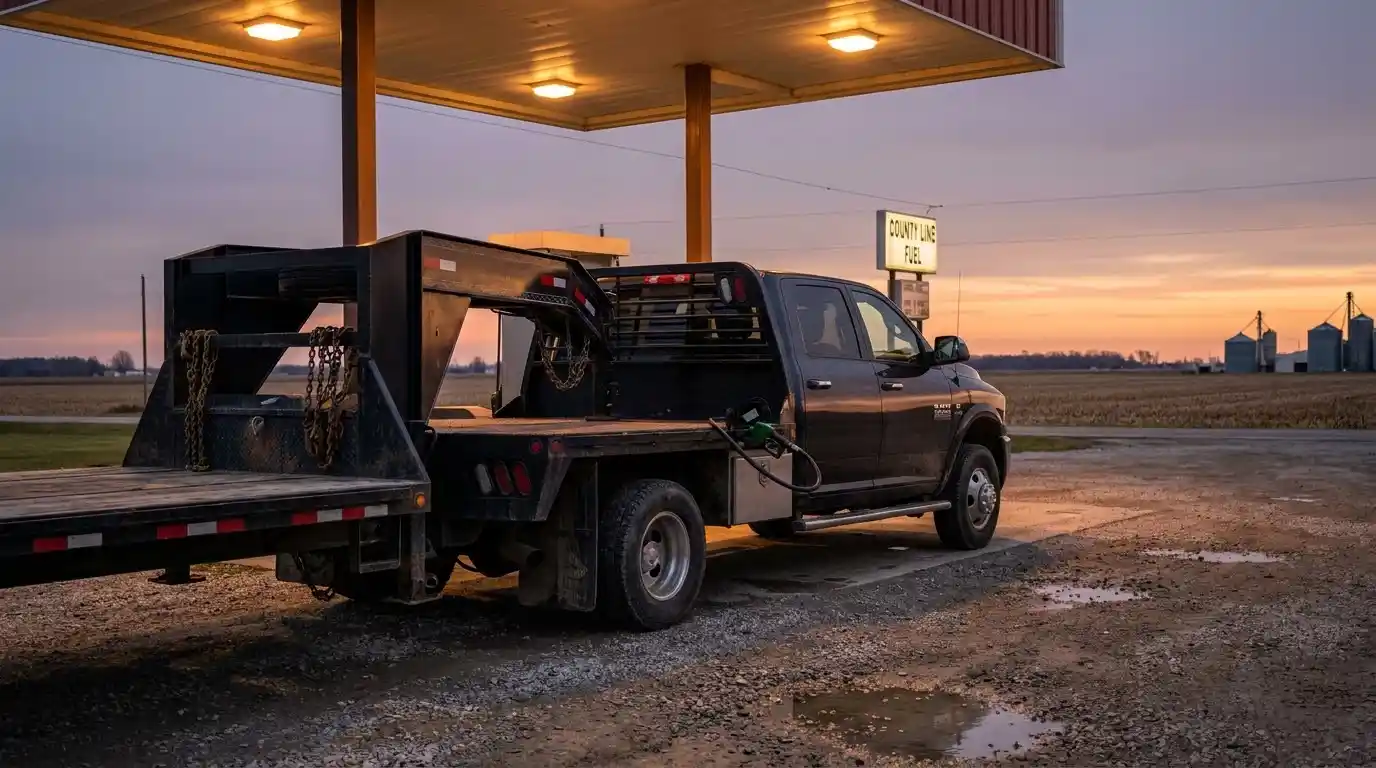
Derek learned that lesson the hard way. A denied claim on a minor accident that should have cost a few hundred dollars ended up costing him several thousand out of pocket — plus the scramble of getting proper hotshot trucking insurance in place immediately so he could keep dispatching loads.
The good news is that hotshot trucking insurance is more affordable than many operators expect — particularly for experienced operators with clean records who shop their coverage properly and work with brokers who specialize in the trucking market.
Budget realistically. Compare quotes carefully. Understand every coverage line before you sign. And never haul a single for-hire load without proper hotshot trucking insurance in place first.
The freight will keep moving. Make sure your coverage moves with it.
Stella Brown is an independent owner-operator based in Columbus, Ohio, hauling dry freight across the Midwest and Southeast under her own authority. She writes about trucking insurance, owner-operator business strategy, and the financial realities of running a commercial trucking operation. She re-shops her coverage every single renewal and has been writing about insurance for fellow operators for three years.
ENJOY TRUCKING WITH ME?


Hotshot Trucking Insurance: What It Really Costs, What You Actually Need, and How I Help Fellow Operators Stop Paying Too Much

Commercial Auto Insurance Quotes: How I Stopped Guessing and Started Comparing — A Complete Guide for Owner-Operators in 2026

Bobtail Insurance: What It Costs, What It Covers, and Why Skipping It Was Almost the Biggest Mistake of My Trucking Career

Will AI Replace Truck Drivers? Here Is What the Data Actually Says in 2026
