Trucking Business
How I Went From Broke to $80,000 a Year By Trucking — The CDL Truth Nobody Tells Women

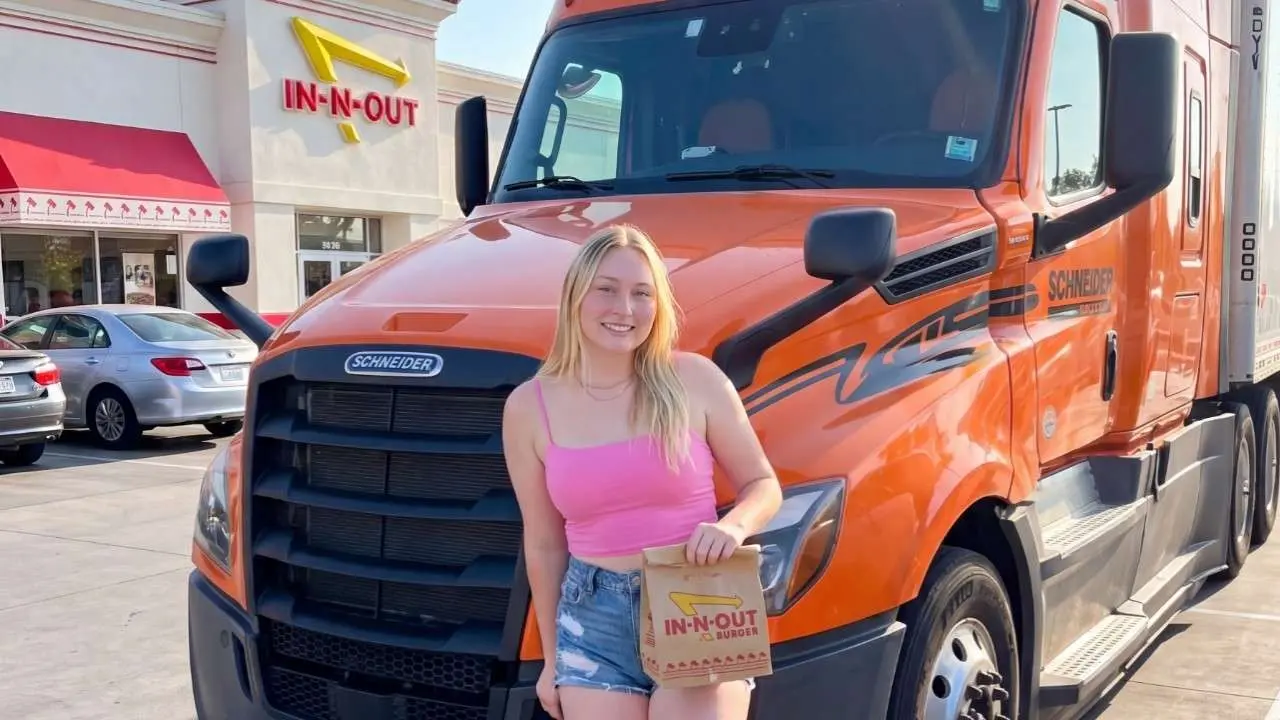
I never planned to fall in love with trucks. Honestly, if you had told me five years ago that I — a single woman living in a tiny apartment in Columbus, Ohio, surviving on iced coffee and freelance writing gigs, would spend my weekends attending trucking expos, scrolling through load boards at midnight, and passionately arguing with strangers on the internet about diesel prices, I would have laughed until I cried.
But here we are. It started with a road trip. A long, solo drive from Ohio to Arizona after a breakup that left me needing distance — literally. Somewhere on I-40, surrounded by nothing but desert and a convoy of 18-wheelers cruising beside me like quiet giants, I felt something shift. These drivers were out here alone too.
Moving through the country, hauling weight, showing up regardless. There was something deeply relatable about that. So I started paying attention. And then I started researching. And then, well — I became that girl who knows more about freight logistics than most people know about their own Netflix watchlist.
The Industry That Quietly Runs America
Let me set the scene for you. You wake up in the morning, make coffee, get dressed, maybe order something online before you even brush your teeth. What you probably do not think about is how every single part of that morning routine got to you. The coffee beans, the mug, the clothes in your closet, the phone in your hand — almost all of it moved through the American trucking system at some point.
Trucks carry approximately 72.6% of all domestic freight in the United States. That number used to mean nothing to me. Now it means everything. The trucking industry supports around 8.7 million jobs nationwide when you count drivers, mechanics, dispatchers, logistics staff, and everyone in between.
It is one of the largest employment sectors in the country, and yet most people only notice it when a truck is going too slow in the left lane. I used to be one of those people. I am not anymore.
Why I Got Obsessed — A Very Honest Confession
After that road trip, I reached out to a few trucking communities online just out of curiosity. I expected to feel out of place — a single woman with zero industry experience walking into spaces that felt very much like they were built for someone else.
What I found instead was one of the most welcoming, straight-talking communities I have ever encountered. Female truckers who were out there doing solo long hauls across the country. Owner-operators running their own small businesses from the cab of a Kenworth.
Dispatchers juggling fifteen drivers across time zones without breaking a sweat. These were fascinating, capable, independent people — and many of the women I connected with were single, thriving, and absolutely unapologetic about the life they had chosen.
That changed something in me. I started taking the industry seriously, not just as a curiosity but as something worth understanding deeply.
The CDL — A Ticket to Real Independence
Here is what nobody tells young women looking for financial stability and freedom: a Commercial Driver’s License might be one of the smartest moves you can make.
CDL training programs typically take between three and seven weeks to complete. Many major carriers offer paid training, meaning you can get licensed without spending a dime upfront. Entry-level drivers earn between $45,000 and $55,000 per year to start.
Experienced drivers hauling specialized freight — refrigerated loads, hazardous materials, oversized equipment — regularly earn $80,000 or more annually. And owner-operators who run their own trucks smartly? Six figures is not uncommon.
For a single person with no dependents and low overhead, those numbers are genuinely life-changing. No student loan debt from a four-year degree. No entry-level office job paying $35,000 while you wait to “work your way up.” Just a skill, a license, and the open road.
I am not going to pretend I was not tempted. Genuinely, deeply tempted.
What the Road Actually Demands
I want to be real with you because I think women especially deserve an honest picture rather than a romanticized one.
Trucking is hard. Not impossible, not even close — but genuinely, physically, mentally demanding in ways that a nine-to-five job simply is not.
Drivers operate under strict Hours of Service regulations set by the Federal Motor Carrier Safety Administration. They manage Electronic Logging Devices, navigate weigh station requirements, handle load securement, and keep up with vehicle inspections — all while covering hundreds of miles per day in a vehicle weighing up to 80,000 pounds.
One female long-haul driver I interviewed, a woman named Carla from Georgia who has been driving for eleven years, told me the hardest part was never the driving. It was the loneliness on nights when the truck stop was sketchy and she was three states from anyone she knew.
That is real. And it matters. Safety planning, choosing well-lit stops, having a solid communication routine, and building a network of trusted people in the industry are things female drivers talk about openly and seriously.
But Carla also told me something else. She said she has watched more sunrises than anyone she knows. She has driven through snowstorms in Wyoming that felt like the whole world had gone quiet. She has eaten at diners that do not exist on any food blog and talked to people whose stories would fill a hundred books. And she answers to nobody but herself and her next delivery window.
The Industry Is Changing — And Women Are Part of That Change
The trucking world is not what it was twenty years ago. Technology has transformed daily operations significantly. Electronic logging replaced paper logbooks. Advanced safety systems — collision alerts, automatic emergency braking, lane departure warnings — are now standard on modern trucks.
Companies are actively developing platooning technology and testing autonomous freight vehicles on select routes, though full autonomy remains years away from realistic widespread use.
More importantly for women entering the space: the culture is shifting. Female truck drivers still represent a small percentage of the overall driver workforce, but that number is growing. Organizations dedicated to women in trucking are creating mentorship networks, safety resources, and community spaces that simply did not exist a decade ago.
The industry needs drivers badly. The driver shortage has been a growing crisis, with tens of thousands of open positions unfilled as an older generation of drivers retires. That means opportunity. Real, tangible, well-paying opportunity for anyone willing to put in the training — including women who, statistically, tend to have strong safety records and lower accident rates than their male counterparts.
What I Carry With Me Now
I never did get my CDL. Maybe someday — I am genuinely not ruling it out.
But what this industry gave me is a perspective I did not have before. There is something quietly powerful about people who show up, load up, and move through the world delivering things others need — often without recognition, often alone, always on a deadline.
As a single woman navigating my own version of that — building a life on my own terms, carrying my own weight, figuring out the route as I go — I find that pretty inspiring.
The road has a lot to teach you, whether you are behind the wheel of an 18-wheeler or just paying closer attention to the world around you. Sometimes the most meaningful journeys start with simply deciding to look up and notice what was always there.
Stella Brown writes about travel, independent living, and industries worth understanding. She is based in Columbus, Ohio — and yes, she still pulls over to let trucks merge.


Hotshot Trucking Insurance: What It Really Costs, What You Actually Need, and How I Help Fellow Operators Stop Paying Too Much

Commercial Auto Insurance Quotes: How I Stopped Guessing and Started Comparing — A Complete Guide for Owner-Operators in 2026

Bobtail Insurance: What It Costs, What It Covers, and Why Skipping It Was Almost the Biggest Mistake of My Trucking Career

Will AI Replace Truck Drivers? Here Is What the Data Actually Says in 2026
