Work From Home
10 Best Spiral Snake Plant Varieties (Easy Care Guide)

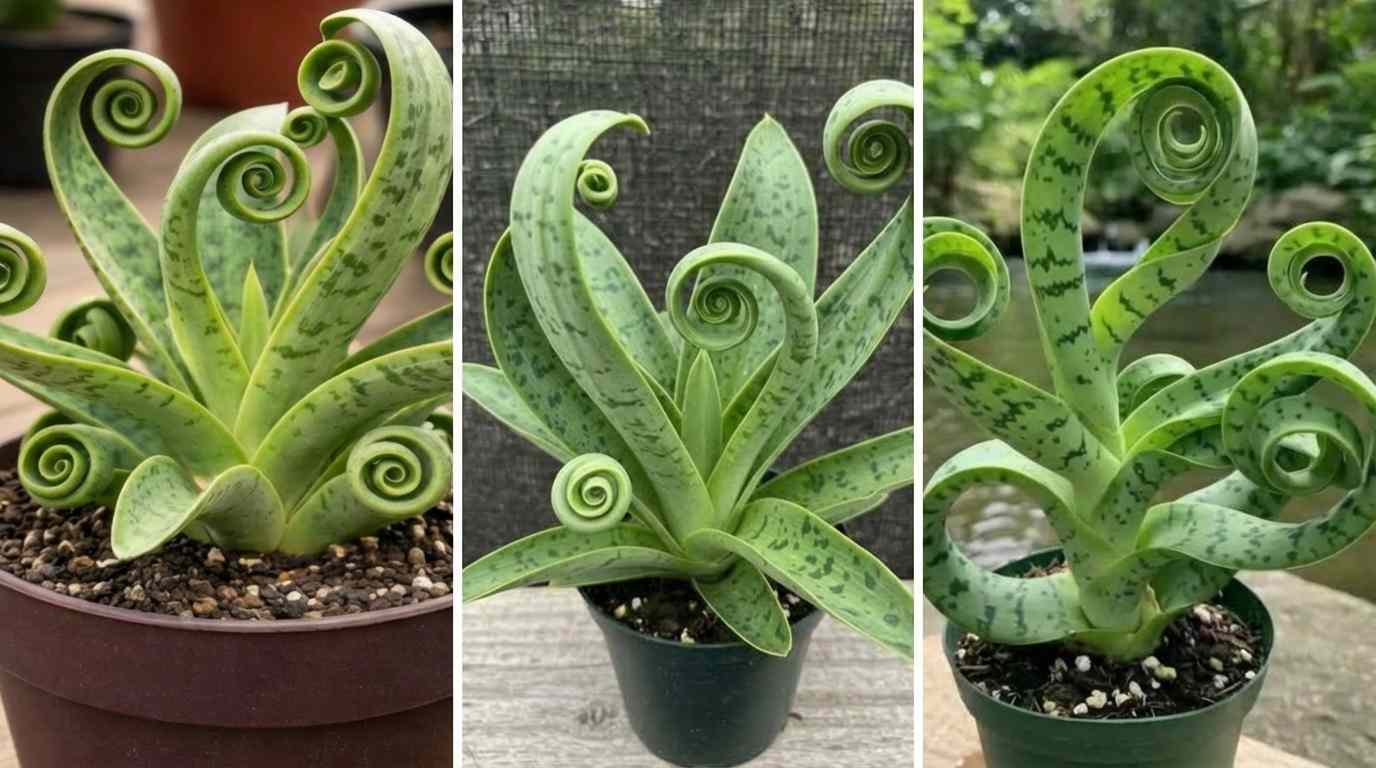
Spiral snake plants are one of the most eye-catching indoor plants you can add to your space. Their twisted, sculptural leaves make them look almost artificial at first glance. The first time I saw one, I honestly thought it was shaped using some kind of tool. Later, I realized that some varieties grow this way naturally, while others are trained over time.
From my experience, spiral snake plants are not just about looks. They are just as tough and low-maintenance as regular snake plants. That means you get a unique aesthetic without adding extra work to your routine.
What Makes a Snake Plant “Spiral”?
A spiral snake plant either grows in a natural twisted pattern or is carefully trained to take that shape. Some varieties have curved or cylindrical leaves that naturally create a spiral look, while others are manually styled when young.
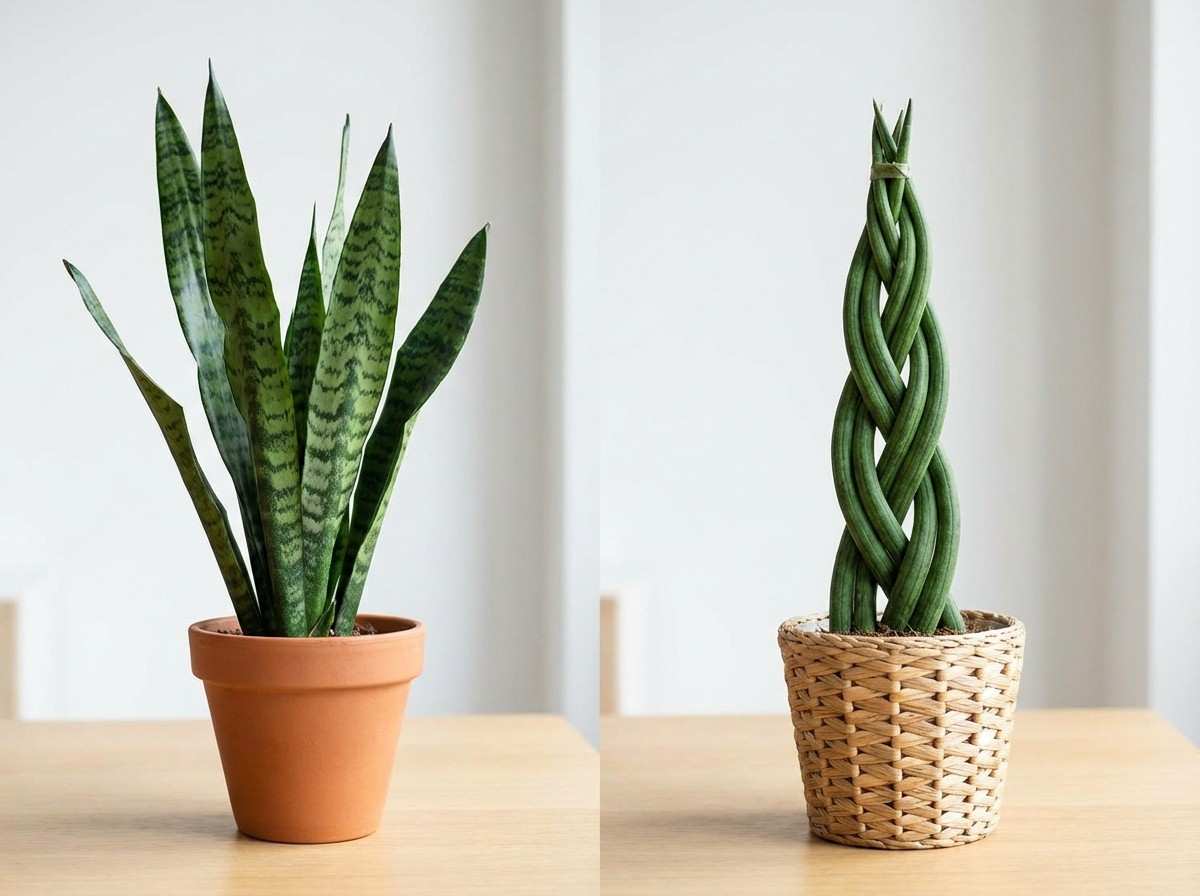
The key factor is leaf flexibility during early growth. If guided properly, the plant holds its spiral structure permanently.
Quick Comparison of Popular Spiral Varieties
Before diving into each variety, here’s a quick overview to help you understand the differences.
| Variety | Type | Growth Style | Best For |
|---|---|---|---|
| Cylindrica | Natural | Upright spiral | Beginners |
| Boncel | Natural | Fan-like spiral | Small spaces |
| Twisted Laurentii | Hybrid | Curved leaves | Decor |
| Fernwood Mikado | Hybrid | Slight twist | Indoor styling |
1. Sansevieria Cylindrica (African Spear)
This is the most popular spiral snake plant variety. Its long, cylindrical leaves are often braided or trained into spiral shapes. You’ll commonly find it in decorative arrangements.
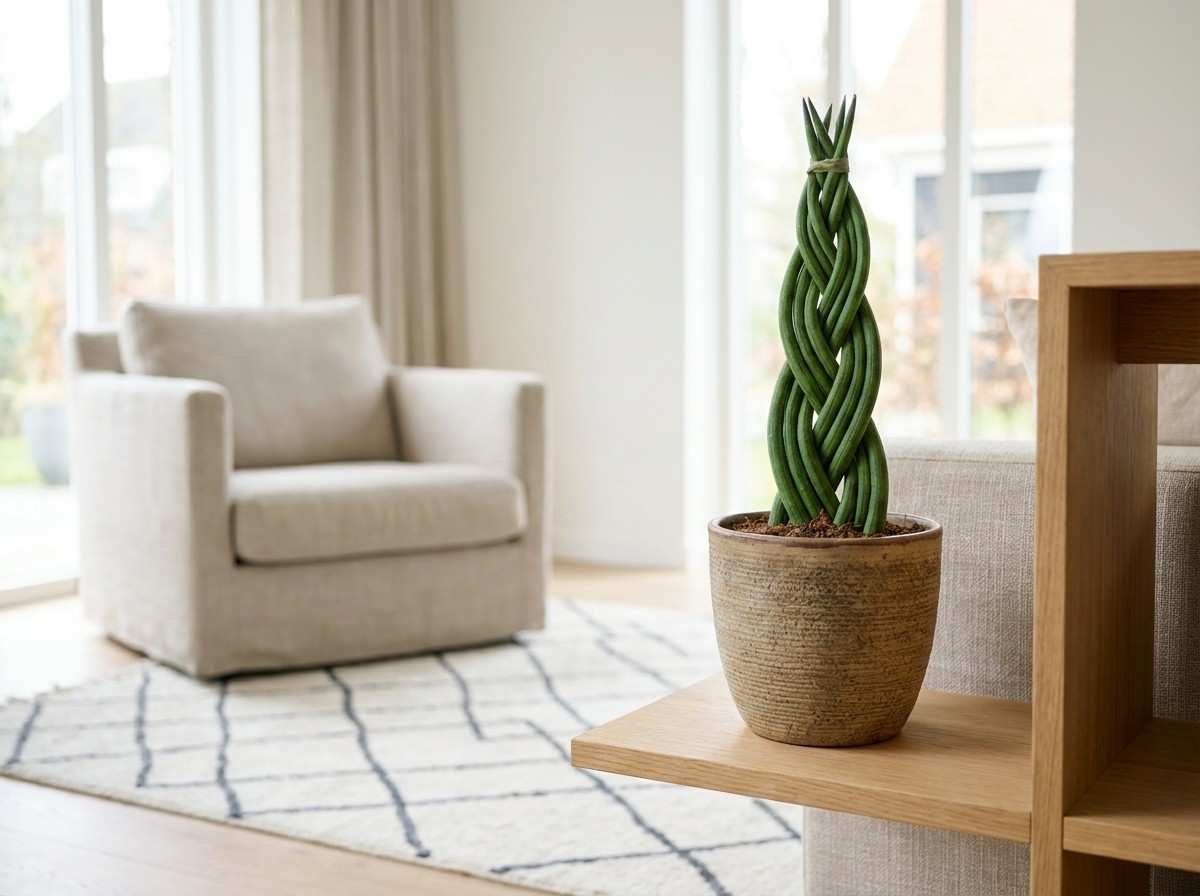
When I first bought this plant, it came already braided. Over time, I noticed that new leaves continued to grow in a slightly curved pattern, maintaining the overall structure.
This variety is perfect if you want a bold, structured look with minimal effort.
- Thick cylindrical leaves
- Can be braided or spiraled
- Very drought tolerant
- Ideal for modern interiors
2. Sansevieria Boncel (Starfish Snake Plant)
Boncel is a compact variety with thick, stubby leaves that grow in a fan-like pattern. While not a true spiral, its natural symmetry gives a spiral-like appearance.
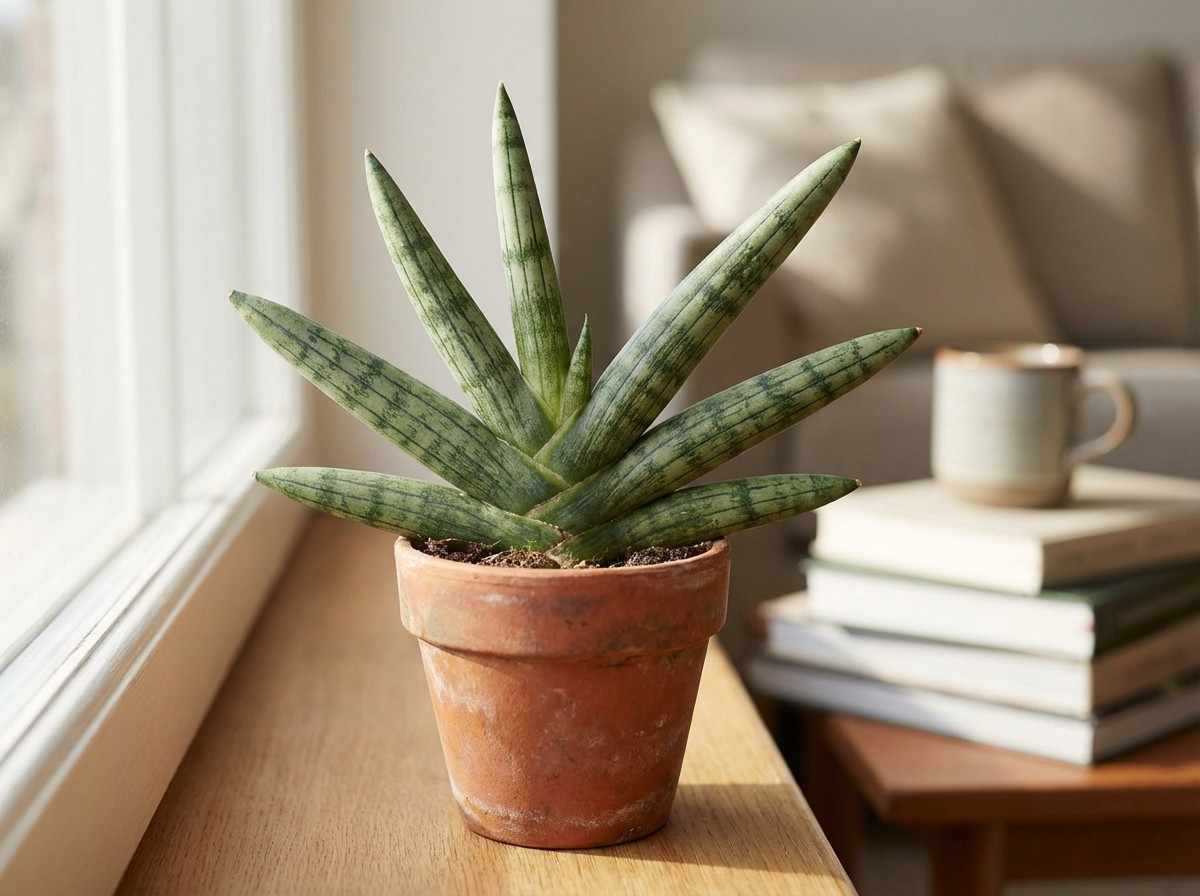
I personally like this one for desks and small spaces. It stays compact and doesn’t require frequent repotting.
It’s also one of the easiest varieties to maintain.
- Compact and space-saving
- Unique starfish shape
- Low maintenance
- Great for beginners
3. Sansevieria Twisted Laurentii
This variety is known for its twisted leaves with yellow edges. Unlike straight-growing types, the leaves naturally curve and twist as they grow.
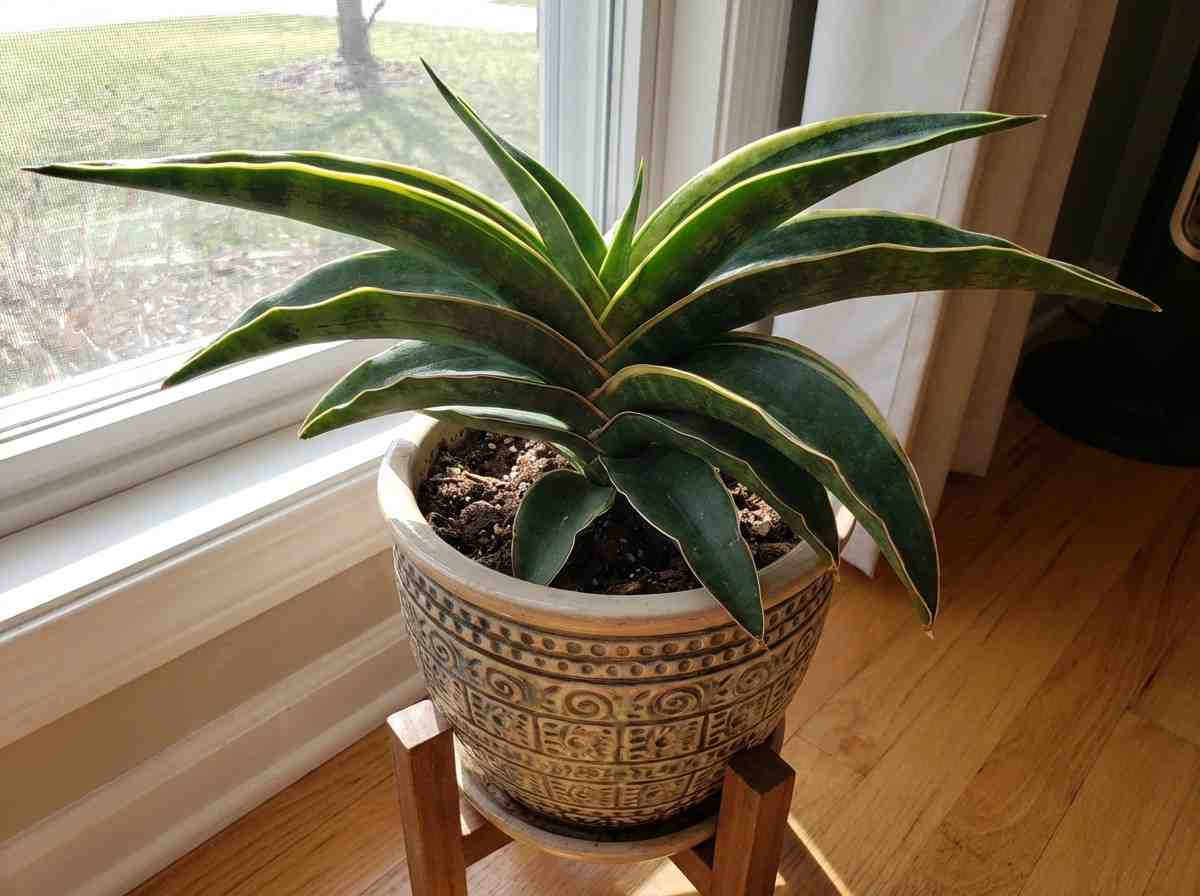
From my experience, this plant adds more character compared to standard upright snake plants. Each leaf grows differently, making every plant look unique.
It’s a great option if you want something decorative without going too extreme.
- Yellow-edged variegated leaves
- Natural twisting growth
- Medium height plant
- Highly decorative
4. Sansevieria Fernwood Mikado
Fernwood Mikado is a hybrid variety with thin, slightly curved leaves. It doesn’t form a strong spiral, but the subtle twist gives it a soft, dynamic look.
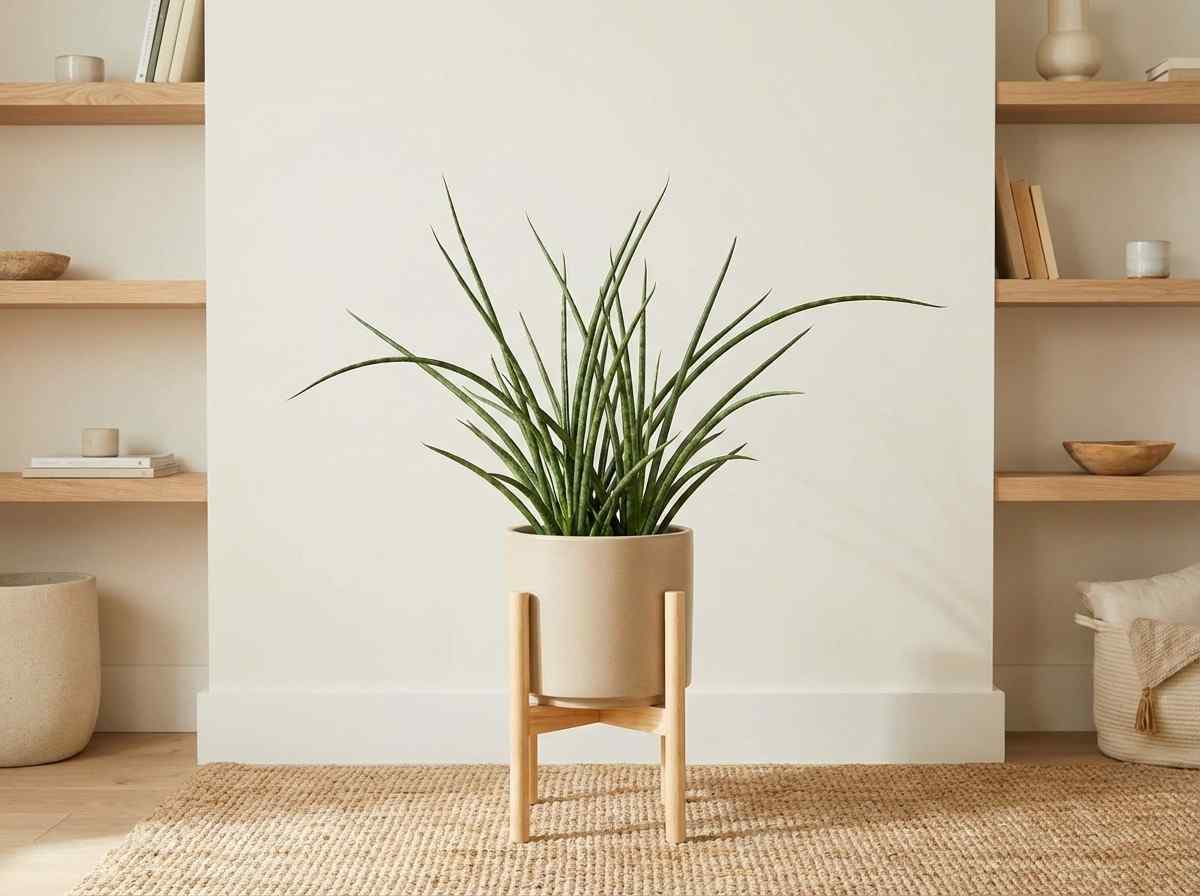
I’ve found this variety to be very adaptable. It works well in both bright and low-light conditions.
This is a good choice if you prefer a lighter, less bulky plant.
- Slender, slightly curved leaves
- Compact growth
- Low light tolerant
- Easy to maintain
5. Sansevieria Cylindrica ‘Patula’
This is a variation of Cylindrica with a more outward-spreading growth pattern. The leaves curve gently, making it easier to create spiral shapes.
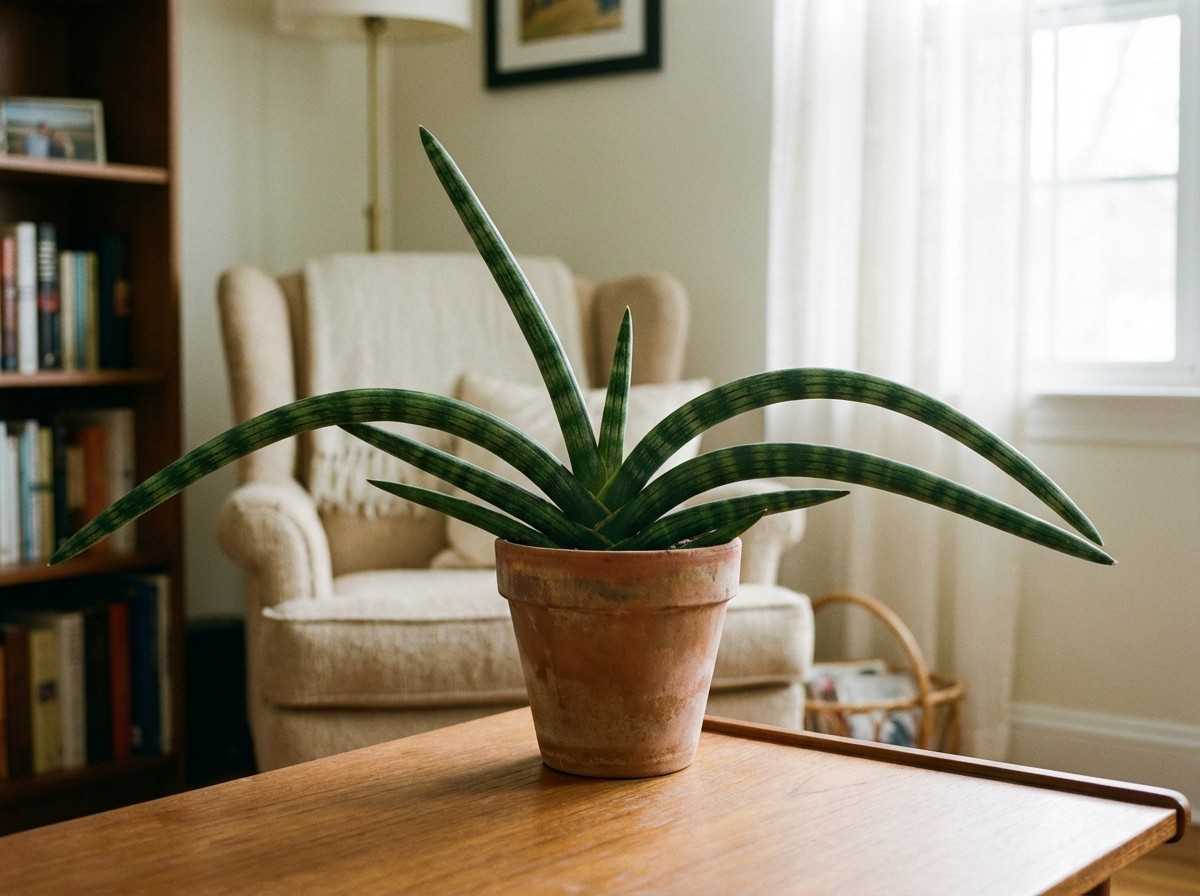
In my setup, this variety was easier to train compared to others. The leaves are flexible when young, which helps in shaping.
It’s a great option if you want to experiment with styling.
- Flexible leaves for shaping
- Spreading growth pattern
- Easy to train into spiral
- Unique visual appeal
6. Sansevieria Cylindrica ‘Spaghetti’
This variety is quite different from the standard Cylindrica. Its leaves are thinner, longer, and slightly curved, giving it a soft, flowing spiral look rather than a rigid structure.
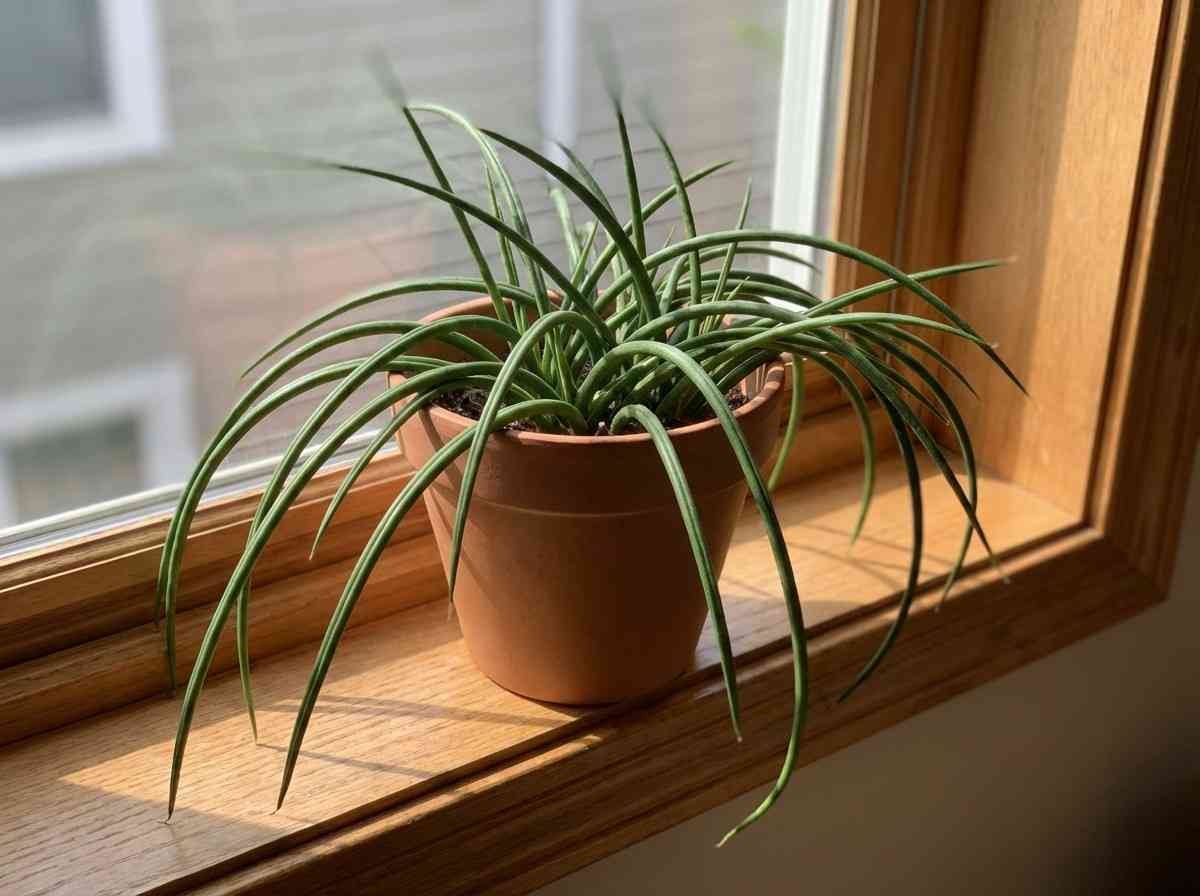
In my experience, this plant adds a more relaxed, natural feel compared to the bold upright types. It works especially well in minimal or modern interiors.
Because the leaves are thinner, they are also slightly more flexible, which helps in shaping.
- Thin, flexible leaves
- Soft spiral appearance
- Lightweight and compact
- Good for styling and shaping
7. Sansevieria ‘Twister’
The name says it all. This variety naturally grows with a twisting pattern, making it one of the closest to a true spiral without manual training.
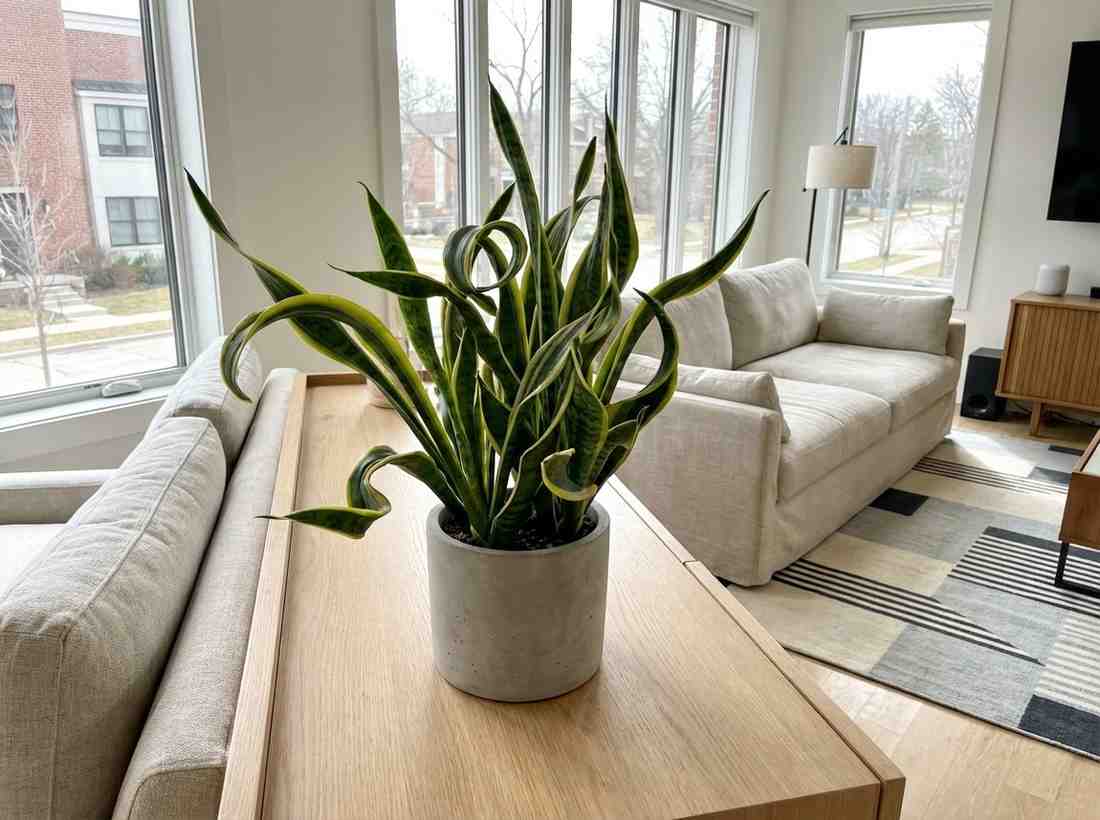
I noticed that even without any effort, the leaves start bending in different directions, creating a dynamic look.
This makes it a great choice if you want a spiral effect without shaping the plant yourself.
- Natural twisting growth
- No training required
- Unique leaf pattern
- Low maintenance
8. Sansevieria ‘Boncel Variegated’
This is a variegated version of the Boncel plant. It features light green and creamy yellow patterns, which enhance its visual appeal.
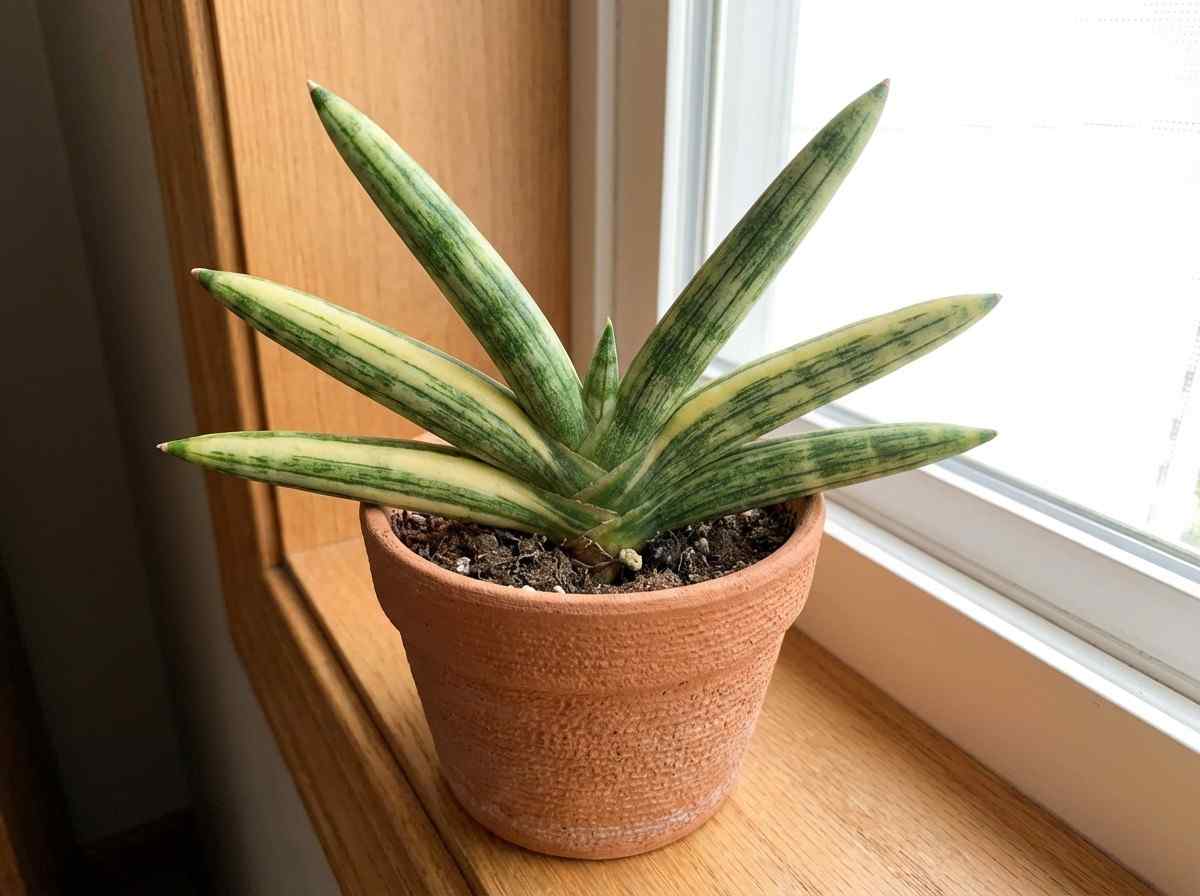
From my experience, this variety grows slightly slower than the regular Boncel, but the color contrast makes it worth it.
It’s ideal for decorative setups where appearance matters more than growth speed.
- Beautiful variegated leaves
- Compact growth
- Slow but steady development
- Highly decorative
9. Sansevieria ‘Braid Crown’
This variety is usually created by manually braiding young leaves. Over time, the plant maintains this structured spiral pattern.
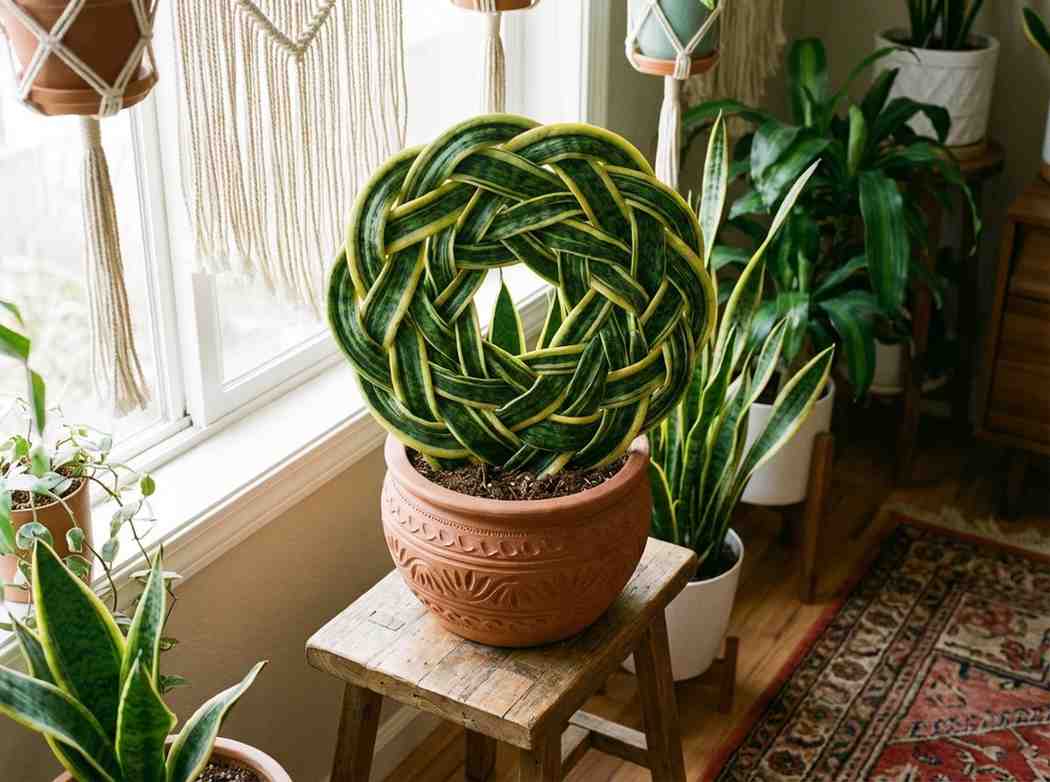
I tried braiding one of my plants, and while it takes patience, the result is impressive. Once the shape sets, it requires very little adjustment.
This is perfect if you enjoy customizing your plants.
- Manually styled spiral
- Structured and symmetrical look
- Long-lasting shape
- Great for decorative displays
10. Sansevieria ‘Mini Spiral’
This is a smaller variety designed for compact spaces. The leaves grow in a tight, slightly curved pattern that resembles a miniature spiral.
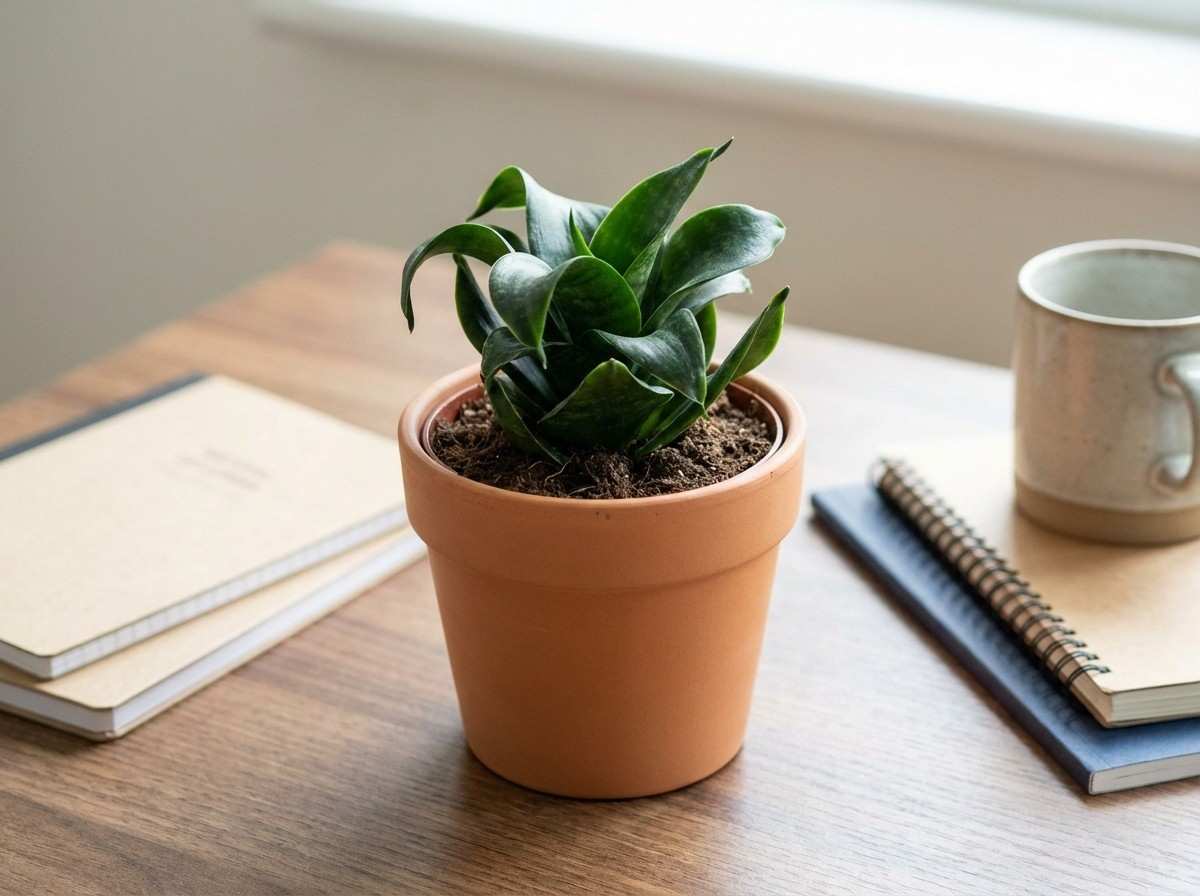
I’ve used this on small shelves and desks, and it fits perfectly without taking up much space.
It’s ideal for beginners who want a spiral look without managing a large plant.
- Small and compact size
- Subtle spiral pattern
- Easy to maintain
- Perfect for small spaces
How to Maintain Spiral Shape
Maintaining the spiral shape is easier than most people think. Once the plant establishes its form, it naturally continues growing in that pattern.
However, a few small adjustments can help keep the structure clean and balanced.
From my experience, consistency matters more than effort.
- Rotate plant regularly for even growth
- Provide consistent light direction
- Avoid overcrowding leaves
- Support young leaves if needed
Common Mistakes to Avoid
Even though snake plants are low-maintenance, a few mistakes can affect their shape and health. These are easy to avoid once you’re aware of them.
I made some of these mistakes early on, especially with watering and lighting.
Learning from these helped me maintain better plant structure.
- Overwatering leading to root rot
- Low light causing weak growth
- Using heavy soil with poor drainage
- Ignoring plant rotation
Best Placement for Spiral Snake Plants
Placement plays a big role in how your plant grows and maintains its shape. Proper positioning ensures balanced development.
In my setup, placing the plant near indirect light gave the best results.
Too much shade or harsh direct sunlight can affect growth.
- Bright indirect light works best
- Avoid harsh direct sunlight
- Suitable for indoor spaces
- Can tolerate low light conditions
Final Thoughts
Spiral snake plants are one of the easiest ways to add a unique visual element to your indoor space. They combine structure, simplicity, and low maintenance in a way few plants can.
From my experience, starting with a natural variety like Cylindrica or Boncel is the best choice. Once you get comfortable, you can experiment with shaping and styling.
The key is to keep things simple. Provide the right conditions, and the plant will do most of the work for you.


Hotshot Trucking Insurance: What It Really Costs, What You Actually Need, and How I Help Fellow Operators Stop Paying Too Much

Commercial Auto Insurance Quotes: How I Stopped Guessing and Started Comparing — A Complete Guide for Owner-Operators in 2026

Bobtail Insurance: What It Costs, What It Covers, and Why Skipping It Was Almost the Biggest Mistake of My Trucking Career

Will AI Replace Truck Drivers? Here Is What the Data Actually Says in 2026
